
Gigi Balang: A Classic Betawi Ornament
Gigi balang is a traditional Betawi pattern often used in vernacular architecture. Beyond simple decoration, this ornamental pattern is symbolic of a Betawi philosophy on life.
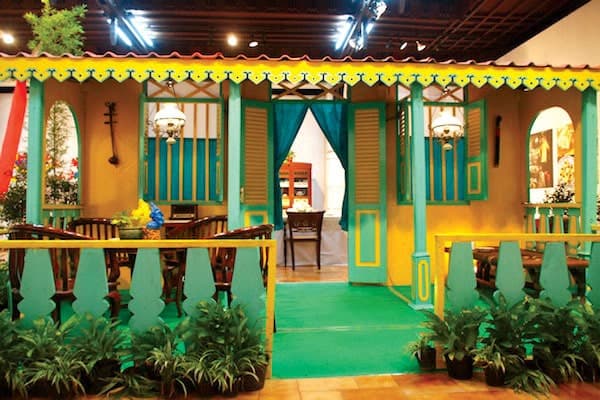
Gigi balang is a traditional Betawi pattern often used in vernacular architecture. Beyond simple decoration, this ornamental pattern is symbolic of a Betawi philosophy on life.
The term gigi balang comes from gigi belalang, or ‘grasshopper teeth’. This comes from the idea that grasshoppers, on their pursuit to bite their way through wood, can only do so through continued hard work for an extended period of time. This inspired the life philosophy among Betawi people that they must work diligently, patiently and thoroughly in order to achieve their goals. This was then physically manifested into the gigi balang pattern.
Typically, gigi balang patterns have a base with a hole and a pointed arrowhead edge (facing down), though there are five varieties: Tumpal, Wajik (diamond), Wajik Susun Dua (double stacked diamonds), Potongan Waru (spade cut), and Kuntum Melati (jasmine flower). Despite their visual differences, all portray the same symbolic meaning. According to Betawi cultural practitioner, Yahya Andi Saputra, the base represents humans and their relationships with each other, living creatures and the environment, whilst the arrow point leads to God, i.e. the peak of a mountain.
This pattern is commonly found on a rumah kebaya, a traditional Betawi house, embellishing the eaves the roof. This gives these houses a particular ‘skirting’ look, similar to that found on the traditional kebaya blouse, hence its name. Though a subtle detail, you will actually find this pattern across Jakarta’s public infrastructure, whether decorating the roofs of bus shelters, the sides of bridges and fly overs, and of course office buildings.
This pattern is commonly found on a rumah kebaya, a traditional Betawi house, embellishing the eaves the roof.
On 1 February 2017, the Jakarta Provincial Government declared gigi belang one of eight official Betawi Cultural Icons to be preserved and protect, alongside ondel-ondel, manggar, sadariah clothes, kebaya kerancang, Betawi batik, kerak telor, and bir pletok.
Read Next

Kembang Kelapa: Betawi’s Token of Prosperity
Literally translating to “coconut flower,” kembang kelapa is a classic Betawi decorative element, a symbol of blessings, prosperity, and respect for tradition.
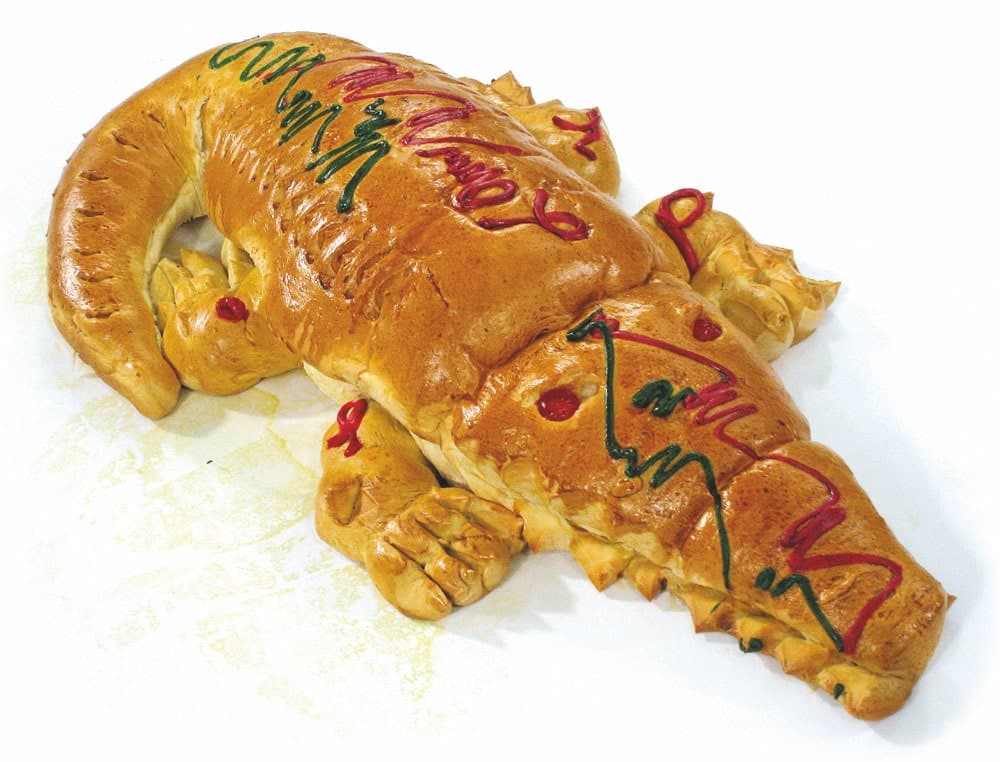
Roti Buaya: A Symbol of Loyalty
In the traditional Betawi wedding ceremony, it’s mandatory for the prospective groom to bring roti buaya (crocodile-shaped breads) to the prospective bride as a symbol of everlasting love and marital fidelity. The existence of this symbol was influenced by Batavia’s topography and European culture.
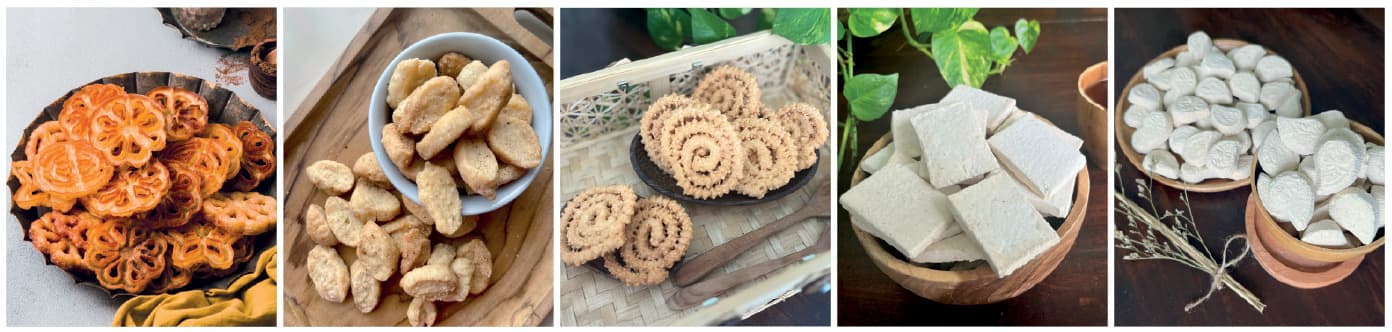
Sweet Betawi Bites
The northern Javanese coastline that Jakarta calls home was once rich with coconut trees, which has become reflected in traditional Betawi cuisine. For centuries, the Betawi people used what was abundant in their surroundings for nourishment, finding many ways to use but a handful of ingredients in creative and resourceful ways.

Gabus Pucung: The Dish That Binds Betawi Families
Gabus Pucung today is often prepared for special occasions and cherished as a symbol of friendship and togetherness.

Ayumu Gendouts: A Funky Twist on Indonesian Woven Crafts
Ayumu Gendouts's painted woven bamboo bags that come in an eclectic array of styles, is changing the perception of Indonesian classic woven bags craft.

Buku Betawi: Palang Pintu, A Unique Betawi Proposal Tradition
Palang Pintu is one of the unique Betawi wedding traditions, seen as the test of ‘approval’ that the groom must receive from the bride and indeed her family.