Kembang Kelapa: Betawi’s Token of Prosperity
Literally translating to “coconut flower,” kembang kelapa is a classic Betawi decorative element, a symbol of blessings, prosperity, and respect for tradition.

Literally translating to “coconut flower,” kembang kelapa is a classic Betawi decorative element, a symbol of blessings, prosperity, and respect for tradition.
Jakarta residents might frequently encounter this decorative item without knowing its name. Brightly coloured and crafted from paper or other lightweight materials, it is shaped to resemble the blossoming of a coconut flower. It is mostly found on traditional Betawi ceremonies or events, as the headdress of the ondel-ondel puppets, and even on delman (Jakarta’s horse-drawn carriages) that circle the grounds of Monas.
Kembang kelapa is more than just an ornament. Historically, the coconut tree was a marker of abundance and is closely tied to the origin of Bandar Kelapa, or Sunda Kelapa, the historic name for Jakarta. At that time, Sunda Kelapa was described for its expanse of coconut trees that signified the fertility and progress of its citizens. From this story, Jakarta was also known as Bumi Kelapa (land of coconut), symbolising a place of happiness, openness, mutual support, and shared prosperity. This ethos is reflected in the communal and joyous nature of the Betawi people, who value togetherness and helping one another.
For the Betawi people, the coconut palm is a sacred tree. It’s symbolism for prosperity stems from how useful and bountiful this tree and its bounty is, with almost all of its parts used for something —its fruits, flowers, leaves, roots, and trunk. Not to mention the coconut’s own many uses… it is also said to reflect the ‘ideal person’, who can contribute to other in many diverse ways.
For the Betawi people, the coconut palm is a sacred tree.
As decoration items, kembang kelapa is made from the coconut leaf stalks wrapped in colourful tinsel or glossy paper, made to look like the shape and size of the real coconut flowers. Usually, 60 to 75 stalks are prepared for each supporting pole. But for the ondel-ondel head decoration, the size is usually smaller, and the number is around 20 to 25 stalks.
Kembang kelapa was officially listed as one of eight Betawi cultural icons by Jakarta’s government in 2017. This initiative is part of a broader effort to preserve and promote Betawi heritage amid the city’s rapid modernisation. A year later, in 2018, kembang kelapa also gained national recognition as an Intangible Cultural Heritage by the Ministry of Education and Culture of Indonesia.
Read Next
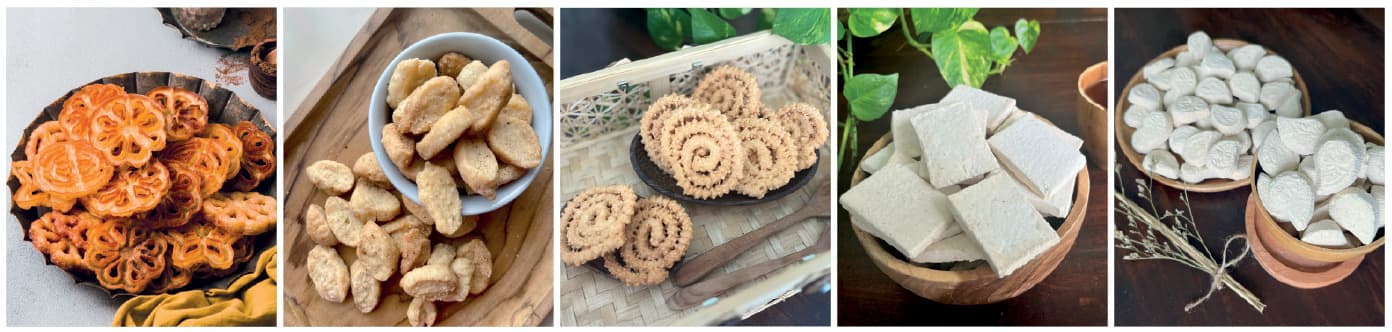
Sweet Betawi Bites
The northern Javanese coastline that Jakarta calls home was once rich with coconut trees, which has become reflected in traditional Betawi cuisine. For centuries, the Betawi people used what was abundant in their surroundings for nourishment, finding many ways to use but a handful of ingredients in creative and resourceful ways.
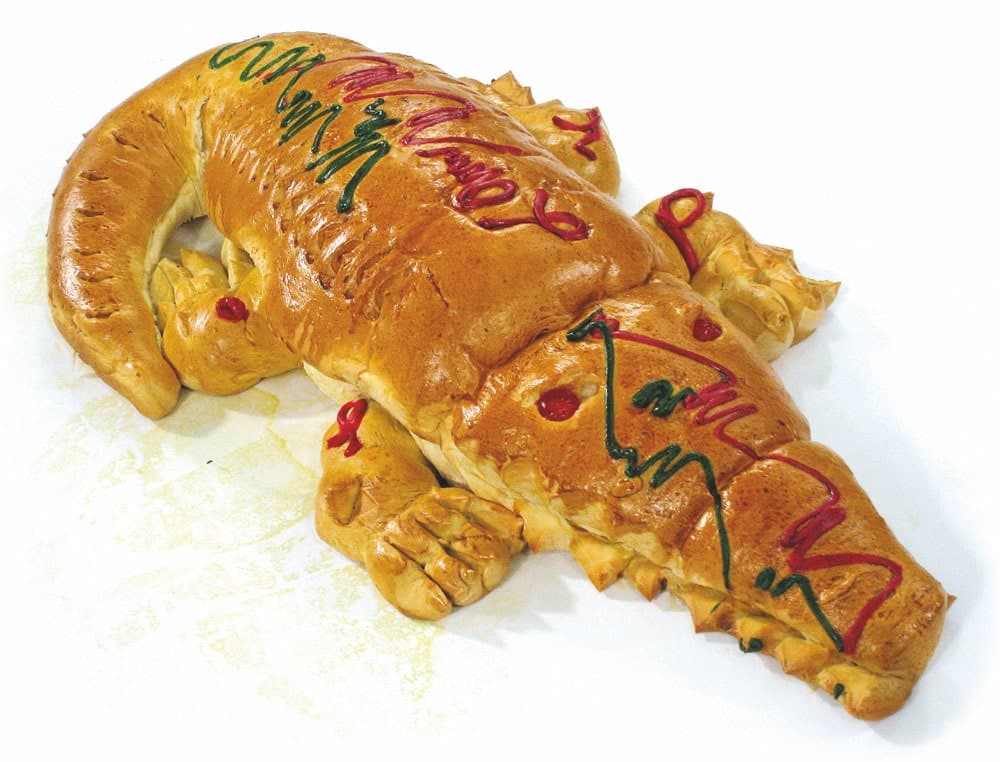
Roti Buaya: A Symbol of Loyalty
In the traditional Betawi wedding ceremony, it’s mandatory for the prospective groom to bring roti buaya (crocodile-shaped breads) to the prospective bride as a symbol of everlasting love and marital fidelity. The existence of this symbol was influenced by Batavia’s topography and European culture.
Gigi Balang: A Classic Betawi Ornament
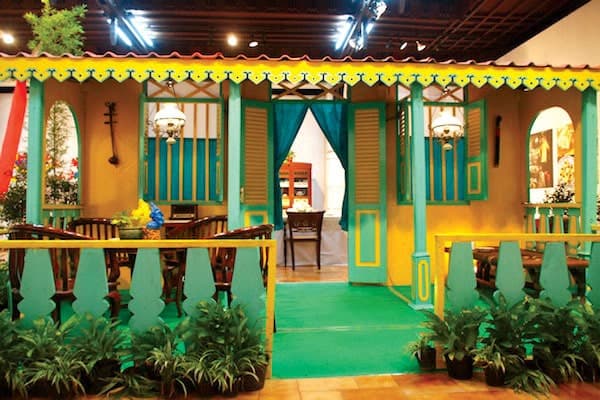
Gigi balang is a traditional Betawi pattern often used in vernacular architecture. Beyond simple decoration, this ornamental pattern is symbolic of a Betawi philosophy on life.
A Fresh Take on Peranakan Food at Kembang Goeyang
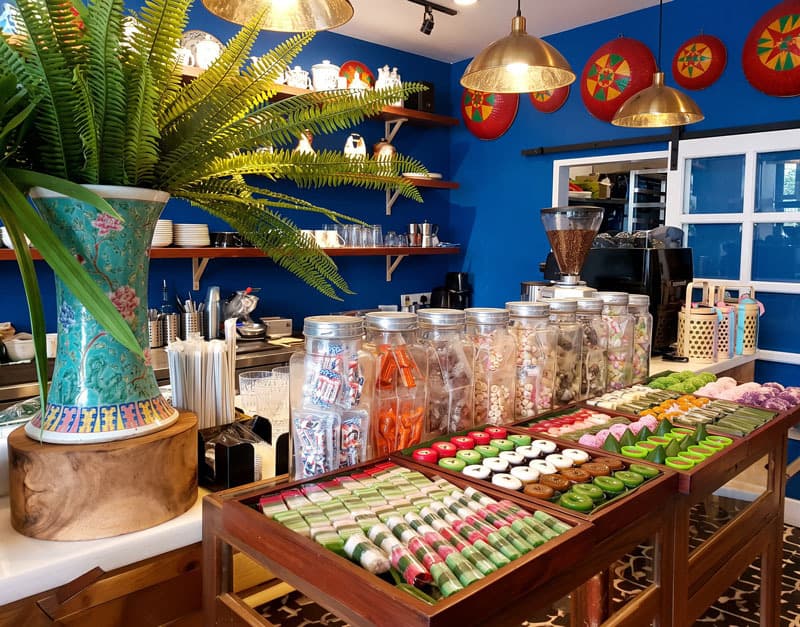
Established by Peranakan cuisine experts and restaurateurs, Kembang Goeyang brings a fresh perspective to Jakarta’s dining scene, serving familiar Peranakan flavours in a relaxed and flexible setting.