
Buku Betawi: Palang Pintu, A Unique Betawi Proposal Tradition
Palang Pintu is one of the unique Betawi wedding traditions, seen as the test of ‘approval’ that the groom must receive from the bride and indeed her family.

Palang Pintu is one of the unique Betawi wedding traditions, seen as the test of ‘approval’ that the groom must receive from the bride and indeed her family. It is imbued with symbolism and is a tradition that showcases the different facets of Betawi culture.
For Betawi men, there are a series of ‘tests’ that must be undertaken to prove their worthiness to their prospective bride and her kin, these are the palang pintu. The literal translation of these words are palang, meaning barrier, and pintu, meaning door, which come together to essentially mean the barrier to entry. In this specific scenario, the palang is the bride’s family.
The tradition is a duel of sorts, where each the groom and bride must choose a jawara (a ‘champion’, or contender) to go through a series of rituals. Traditionally these include ‘fighting’ the Betawi martial arts known as silat, a duel of witty poetry known as pantun, and the recitation of Qur’anic verses and salawat (a prayer and praise recited as a form of respect and love for Prophet Muhammad).
Of course, especially in this day and age, the groom’s champion will always best the bride’s, symbolising his triumph and thus his success in passing the ‘barrier’. Each of these rituals are symbolic of characteristics: the silat fight to showcase the groom’s ability to protect his wife and children; the rhymes symbolise diplomacy (and provide much entertainment), and the recitation of verses is a reminder that the groom must be the imam, the religious role model, in his family. Thus, the groom is guided to understand religion and is obliged to guide his wife and children to walk on the path of goodness.
Of course, especially in this day and age, the groom’s champion will always best the bride’s, symbolising his triumph and thus his success in passing the ‘barrier’.
In this tradition, the family of the groom also brings wedding offerings that certainly have a meaning for the Betwai community’s view of life. In addition to bringing clothes for the bride, the groom also brings Roti Buaya (bread shaped like a crocodile) which symbolises the loyalty of the groom to the bride and Kembang Kelapa (coconut flower), as it is said the coconut is useful from tree to root, and is ever-important in human life.
In the Palang Pintu procession, there are also fireworks and Ondel-Ondel which has a meaning as a repellent of negative energies. The bride and groom’s marriage is thus always protected from any danger.
Read Next
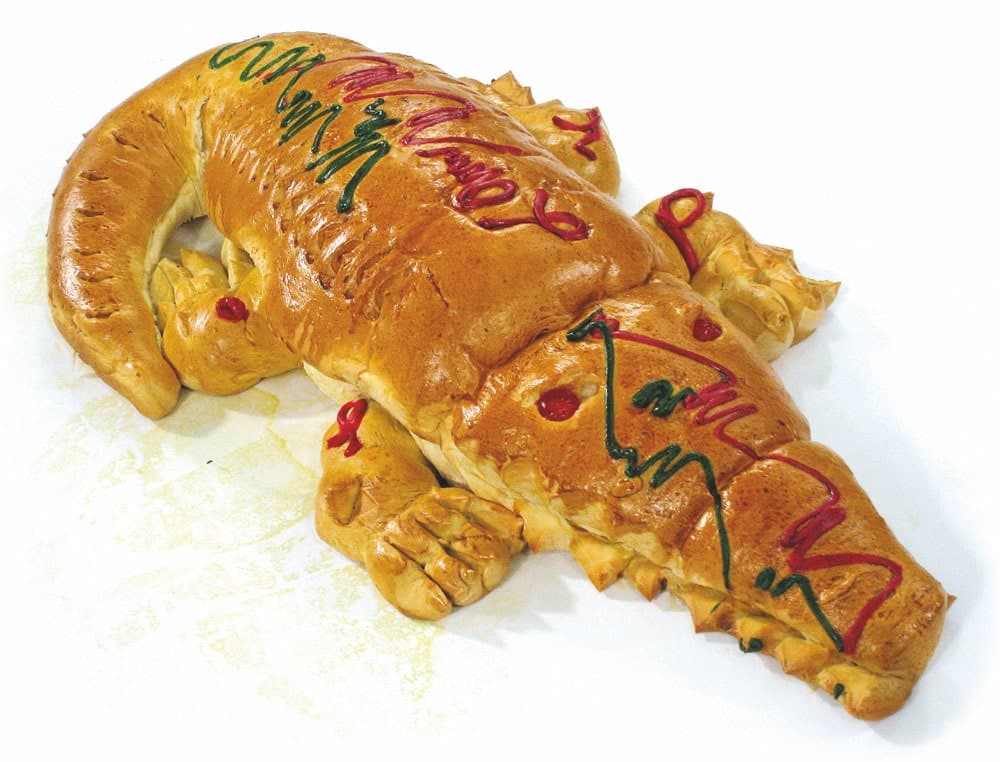
Roti Buaya: A Symbol of Loyalty
In the traditional Betawi wedding ceremony, it’s mandatory for the prospective groom to bring roti buaya (crocodile-shaped breads) to the prospective bride as a symbol of everlasting love and marital fidelity. The existence of this symbol was influenced by Batavia’s topography and European culture.

Pangsi: The Traditional Betawi Men’s Attire
Pangsi is a traditional male attire that embodies the modesty and practicality of the Betawi people, while retaining a clean and dignified look.
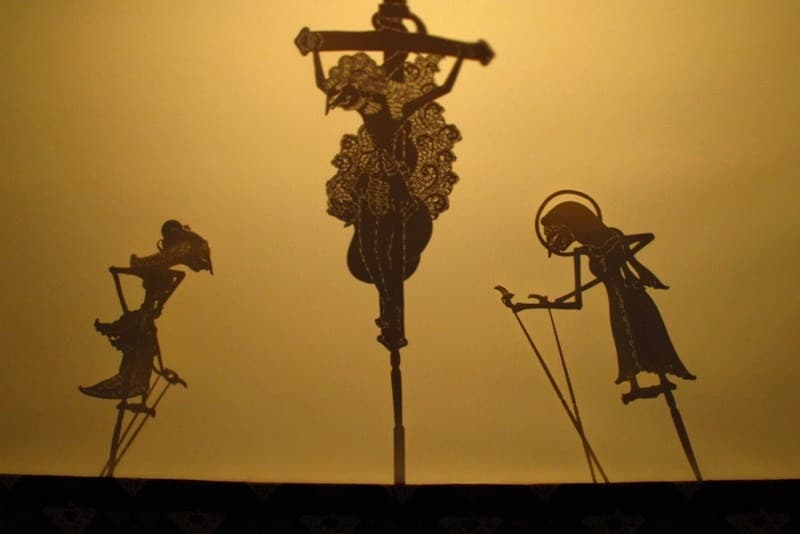

Gabus Pucung: The Dish That Binds Betawi Families
Gabus Pucung today is often prepared for special occasions and cherished as a symbol of friendship and togetherness.
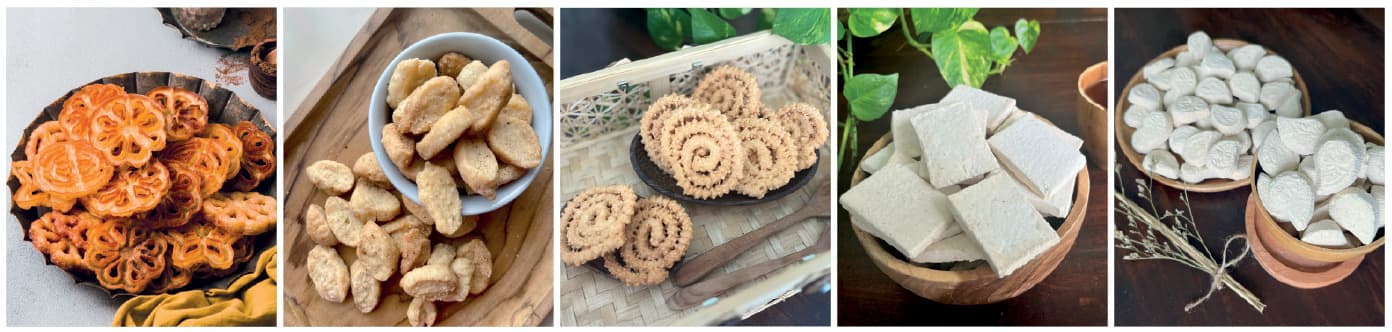
Sweet Betawi Bites
The northern Javanese coastline that Jakarta calls home was once rich with coconut trees, which has become reflected in traditional Betawi cuisine. For centuries, the Betawi people used what was abundant in their surroundings for nourishment, finding many ways to use but a handful of ingredients in creative and resourceful ways.
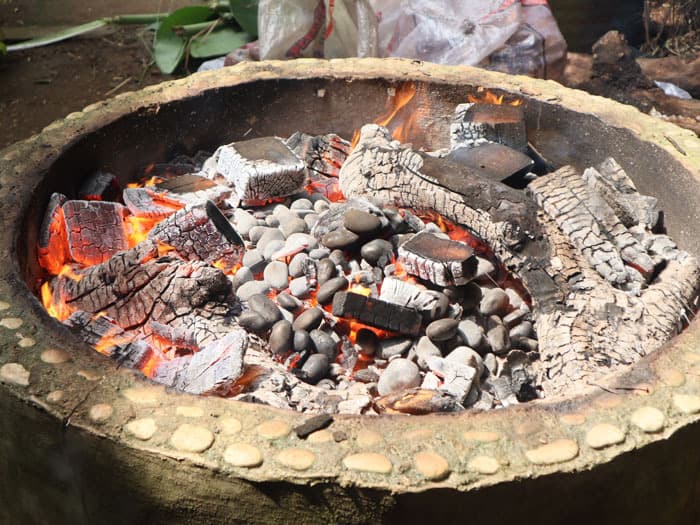
Hangi and Bubigi: A Feast of the Flames Unites Two Cultures
Hangi and Bubigi unites Maori Papuan culinary traditions. Our experts provide professional coverage on this unique cultural food fusion.