Exploring Pasar Toan Baru During Chinese New Year
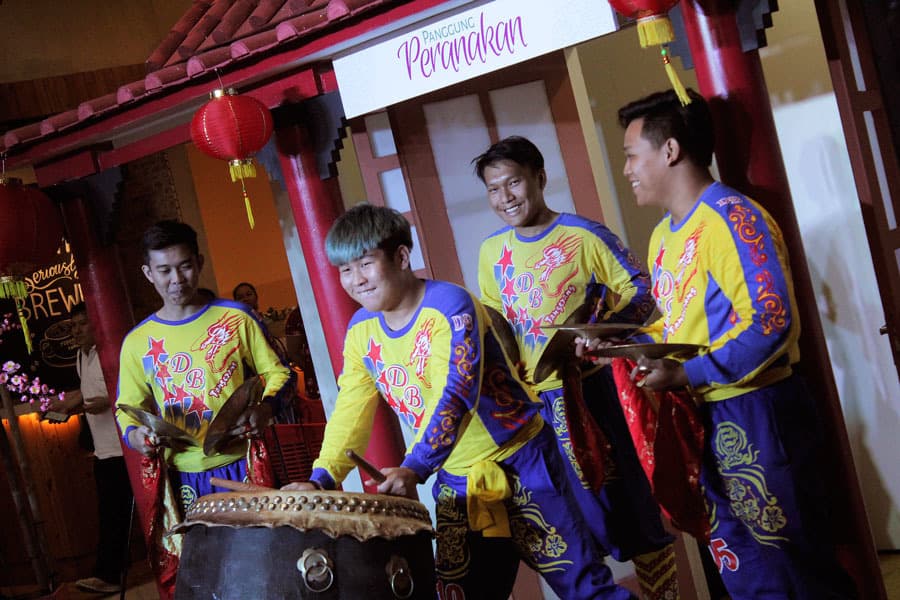
To celebrate Chinese New Year this year, Kota Kasablanka Mall hosts Pasar Taon Baru (New Year Market), a pop up market that offers different cultural attractions and products, until 18 February, 2018.
Collaborating with the Association of Peranakans Chinese Indonesia (ASPERTINA), visitors are invited to learn more about cross cultural exchange by experiencing a number of cultural products and arts. Peranakan Chinese culture and heritage is portrayed every weekend through performances such as Tarian Seribu Tangan (Thousand Hands Dance), Barongsai Performance, Rampak Gendang, Wayang Potehi, Lenggang Nyai Dance, Gambang Kromong and a Peranakan fashion show. Besides the traditional heritage showcase, Pasar Taon Baru will also invite contemporary artists like Shanghai Jazz, Guzheng Instrumental and Erthu Live Performance to take to the stage. Additionally, visitors can buy handcrafted products as a souvenirs or gifts for a memorable Chinese New Year celebration with family and friends.
Visitors also have the opportunity to enjoy the special “50% Dining Cashback” programme at Food Society Kota Kasablanka, a promotion for culinary outlets at the mall, until 2 March, 2018. For more information about the Chinese New Year promotion at Kota Kasablanka Mall, visit www.kotakasablanka.co.id
Read Next
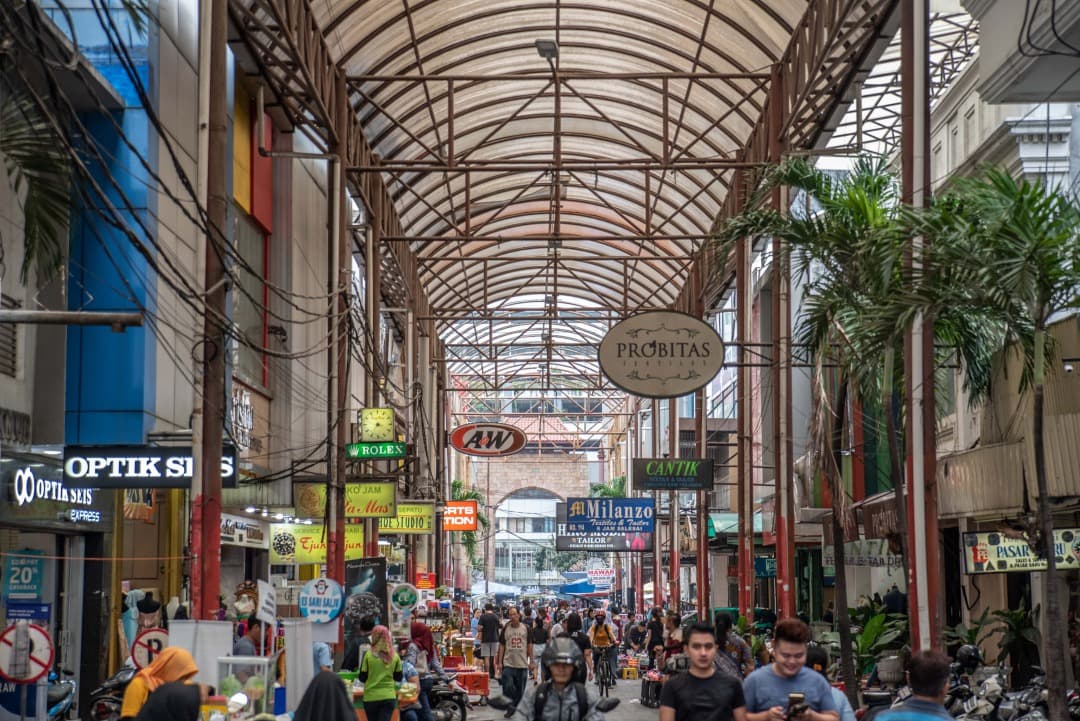
Where to Celebrate Chinese New Year in Jakarta 2026: Dining, Hampers and Stays
From gift hampers to festive dinners here where to celebrate the Lunar or Chinese New Year in Jakarta in 2026.

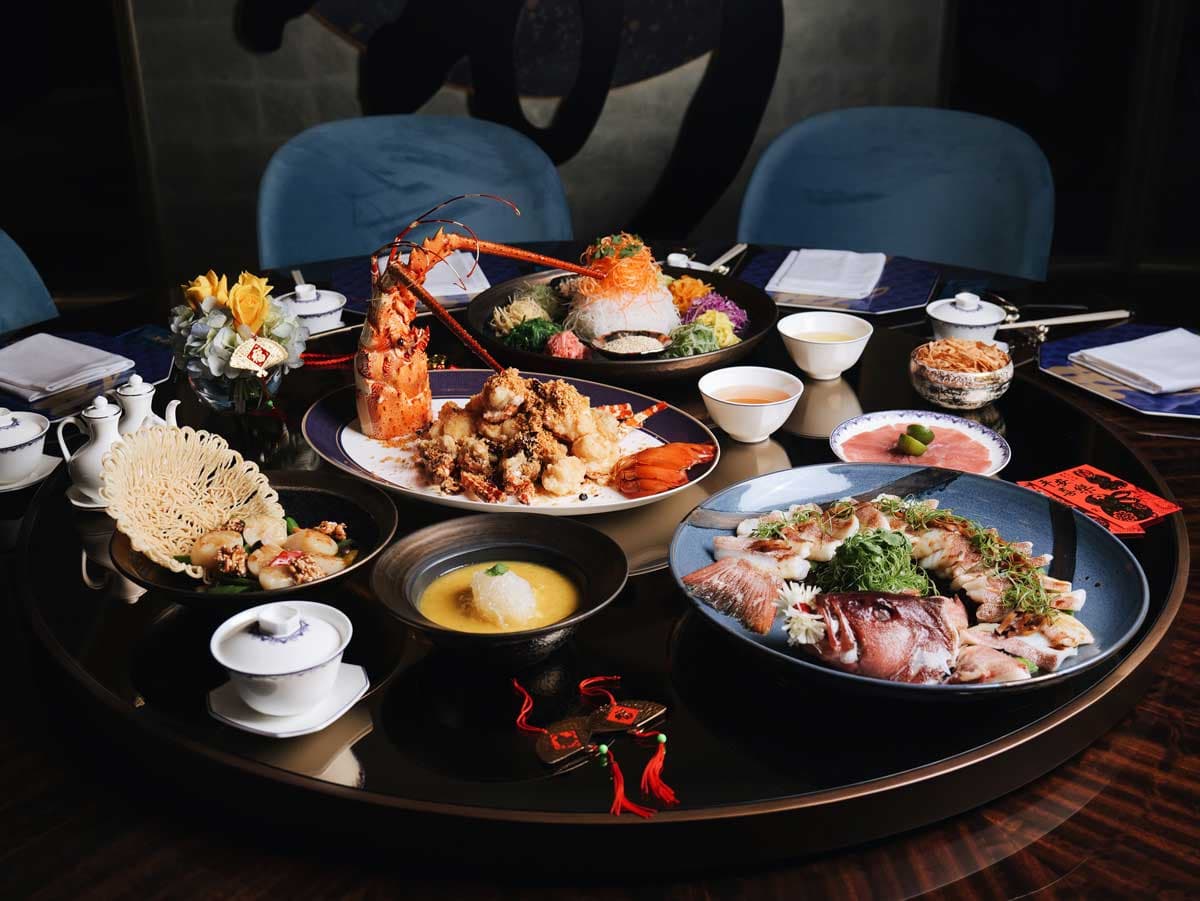
A Culinary Celebration of Lunar New Year at Tien Chao
Gran Meliá Jakarta is preparing to welcome Chinese New Year with a celebration that blends culinary artistry, festive gifting, and cultural performance.

Welcome the Lunar New Year at Hotel Borobudur Jakarta with the Hakka Society Association
For CNY 2025, Hotel Borobudur Jakarta presents the Discover Indonesian Chinese Heritage program with the Hakka Society Association, from 18 Jan-16 Feb.
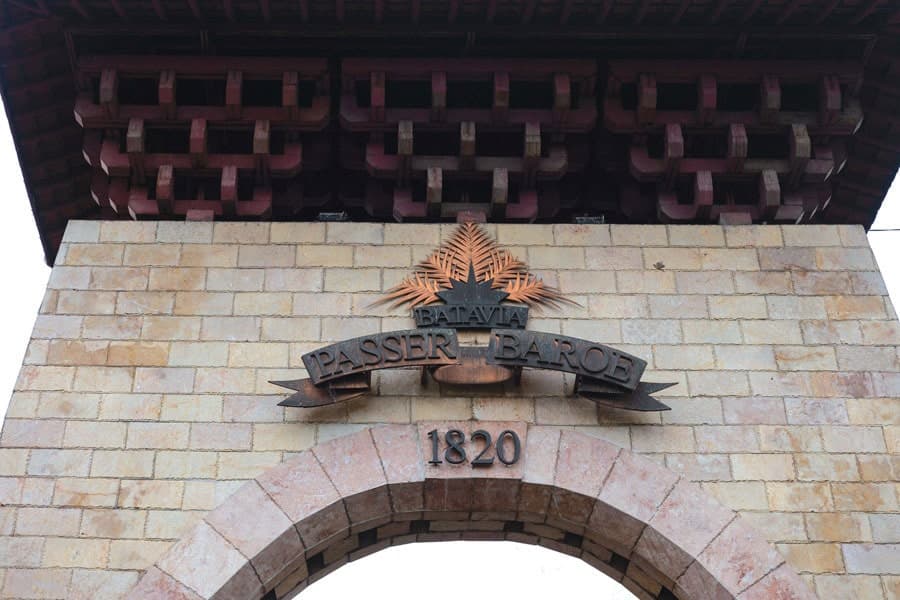
Pasar Baru: Jakarta’s Historic Shopping Arcade
Pasar Baru — or Passer Baroe, as it was called then — became a melting pot of communities and ethnicities, from Chinese, Indians, Europeans, and even Malays.
Plan around it
Where to Eat & Drink
Where to Stay