A Peek Inside Glodok’s Traditional Chinese Medicine Shops
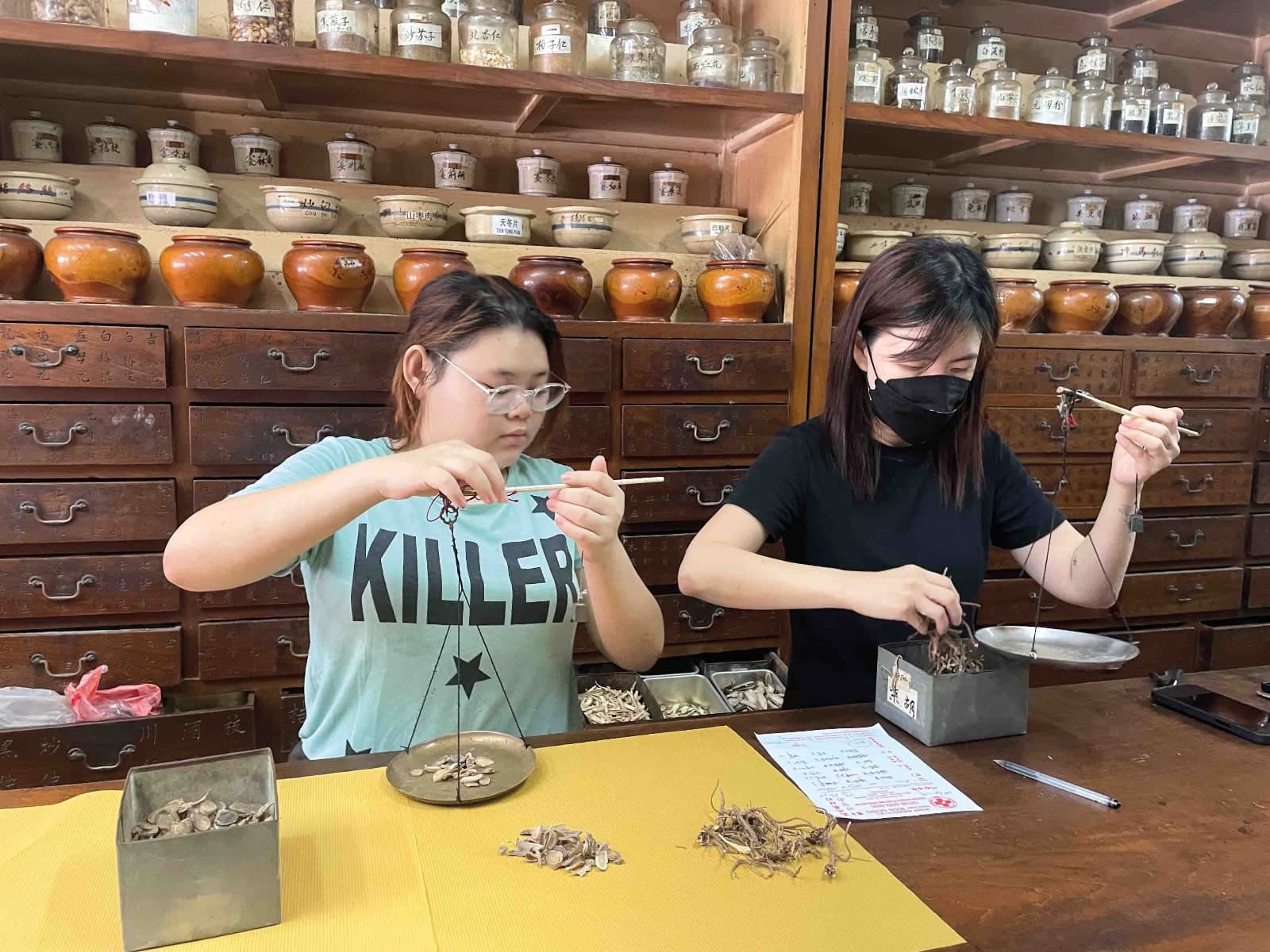
Ban Seng in Glodok keeps Chinese healing traditions alive, offering trusted herbal remedies passed down through generations.

Section
Everything we are watching in editorial — reviewed and kept current.
Ban Seng in Glodok keeps Chinese healing traditions alive, offering trusted herbal remedies passed down through generations.
Join our journey to uncover the history that trails along Jakarta's northern coastline, one where folklore and trades collide.
Literally translating to “coconut flower,” kembang kelapa is a classic Betawi decorative element, a symbol of blessings, prosperity, and respect for tradition.
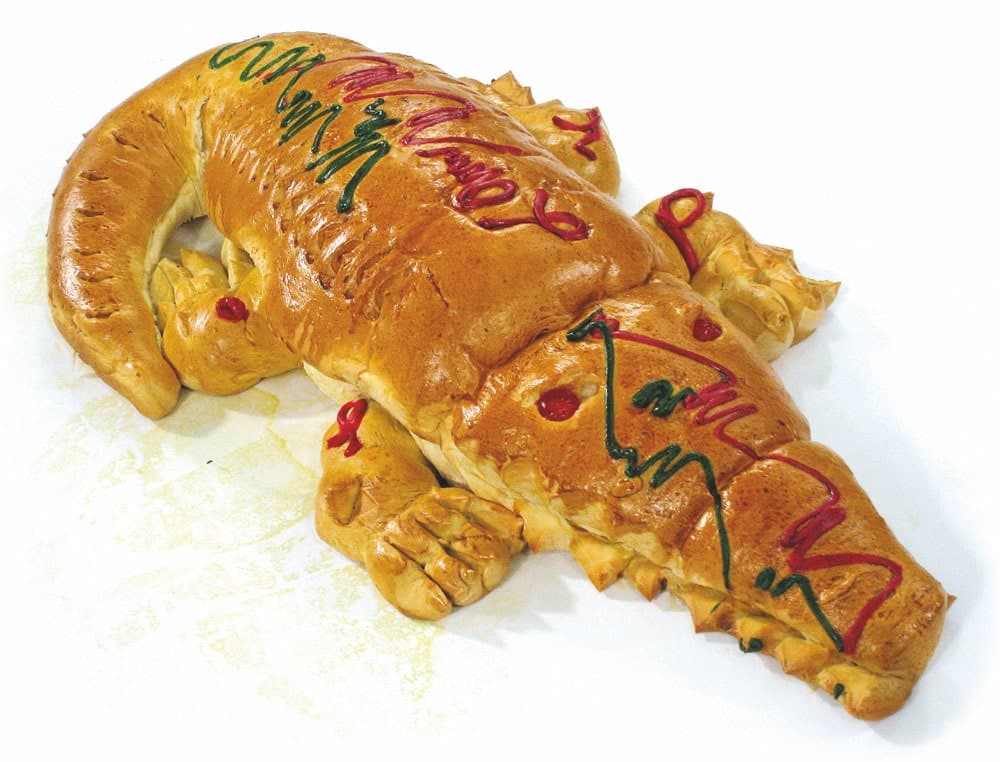
In the traditional Betawi wedding ceremony, it’s mandatory for the prospective groom to bring roti buaya (crocodile-shaped breads) to the prospective bride as a symbol of everlasting love and marital fidelity. The existence of this symbol was influenced by Batavia’s topography and European culture.
Take a peek into House of Tugu, Old Town Jakarta, a hotel where timeless artefacts and antiques put Jakarta’s own rich history on display.
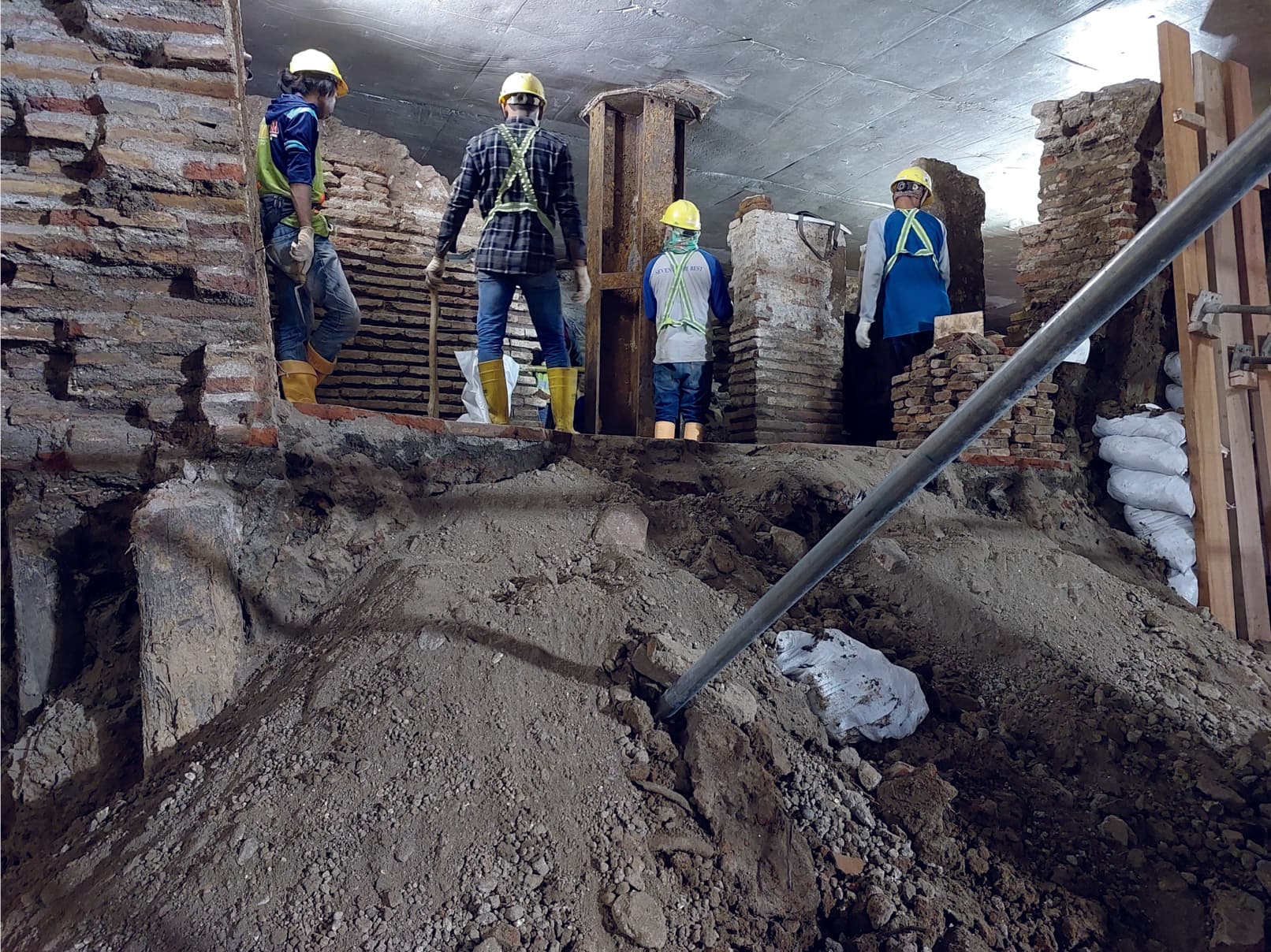
Dutch infrastructure and historic artefacts from 300 years ago have been rediscovered during excavation for the MRT Jakarta expansion project.
Originally built as part of Weltevreden, an elite Batavia residential area, Cikini is one of Jakarta’s important historical areas.
Tanjidor is a traditional Betawi musical orchestra largely composed of brass and wind instruments and drums. This modest ensemble was played by the slaves during the Dutch colonial era.
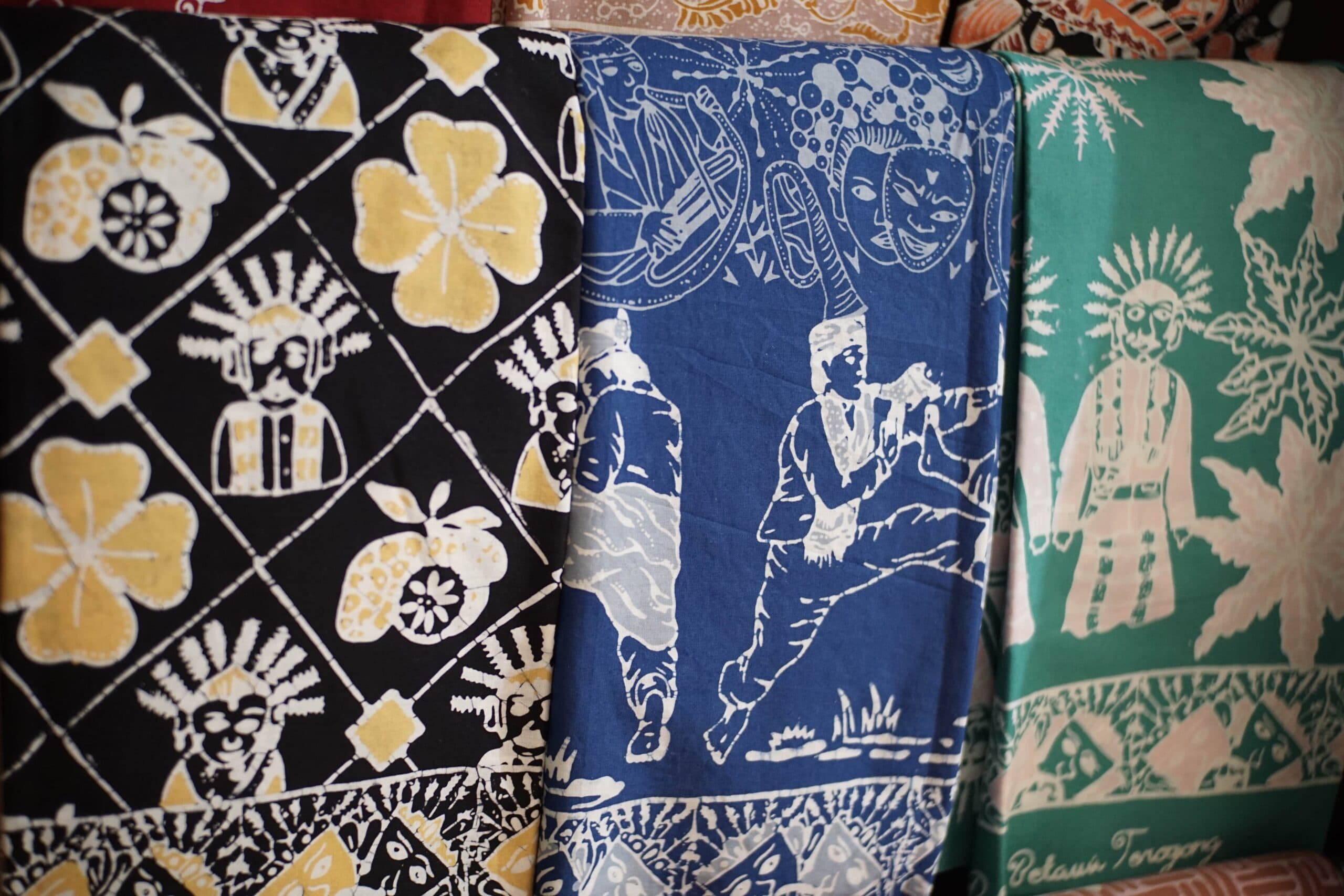
Unlike Solo, Pekalongan, Yogyakarta, Cirebon or Lasem, Jakarta is not on the radar when we think of batik producing regions. At least, it’s no longer on the radar, as it was once one of the main hubs for batik-making, complete with its own motifs and styles. So, what happened? Here we explore the history of batik in Jakarta and the organisations that are pushing for the industry’s revival in the city.
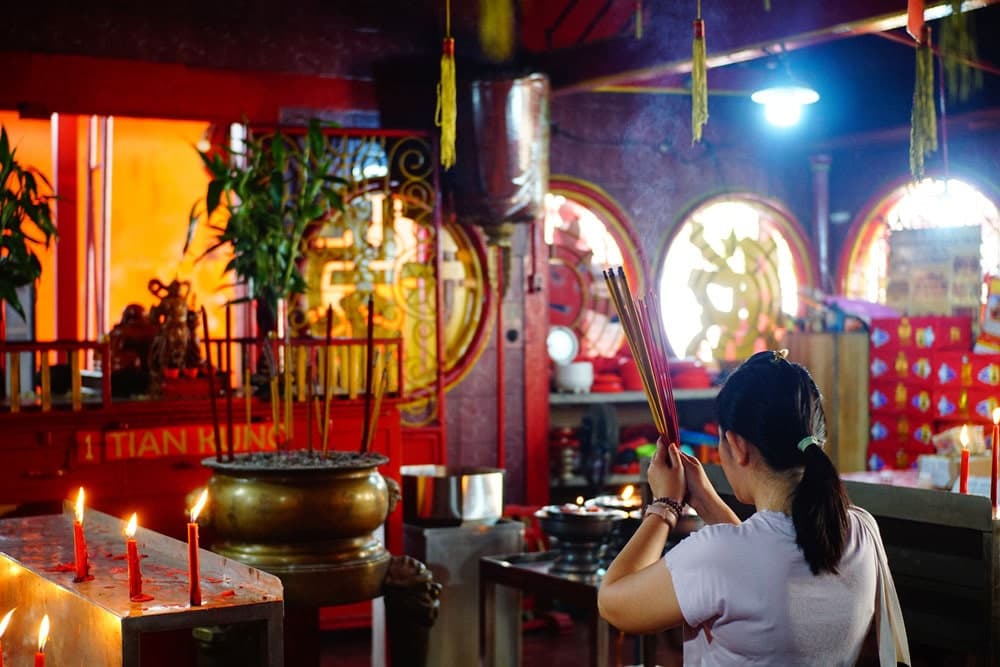
The Glodok Pancoran area in West Jakarta is a window into the Chinese culture beyond its homeland. Against a vibrant backdrop of cultural diversity, this bustling area offers a paradise of luscious food, heritage sites, colourful temples filled with incense, encounters with intriguing personalities, and enticing bargain hunts.
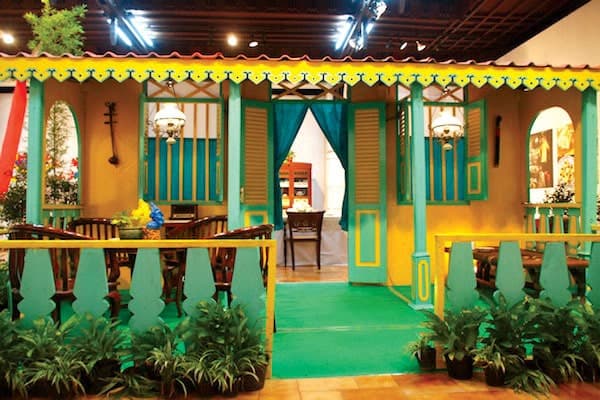
Gigi balang is a traditional Betawi pattern often used in vernacular architecture. Beyond simple decoration, this ornamental pattern is symbolic of a Betawi philosophy on life.
tHE Indonesian Heritage Society and the Tugu Hotels & Restaurants Group extended an invitation to a select group of passionate art and history lovers for a joint discussion on the sustainable development of the Kota Tua Jakarta.
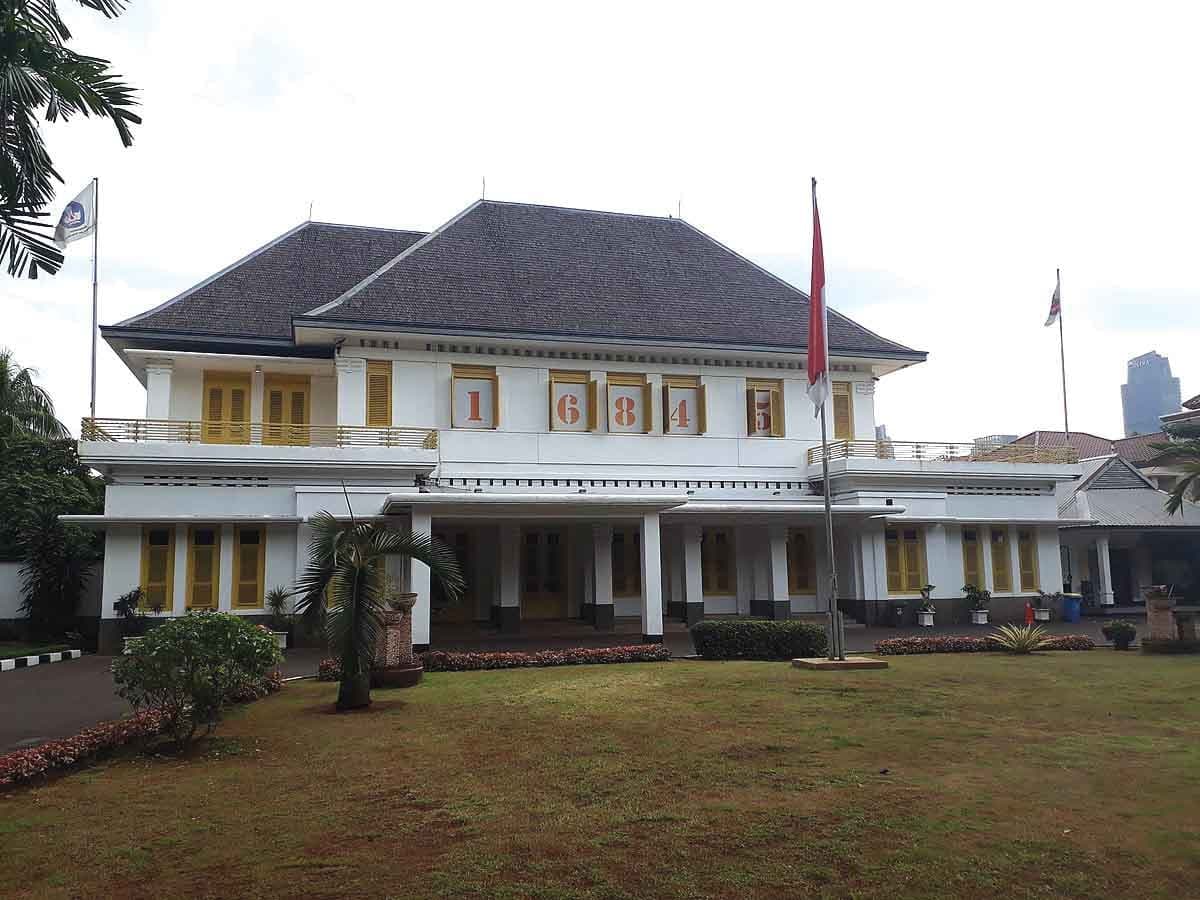
It was a long journey for Indonesia to declare its independence from colonial rule on 17 August 1945, when the Proclamation of Independence was read by Soekarno and Mohammad Hatta on behalf of the Indonesian people.
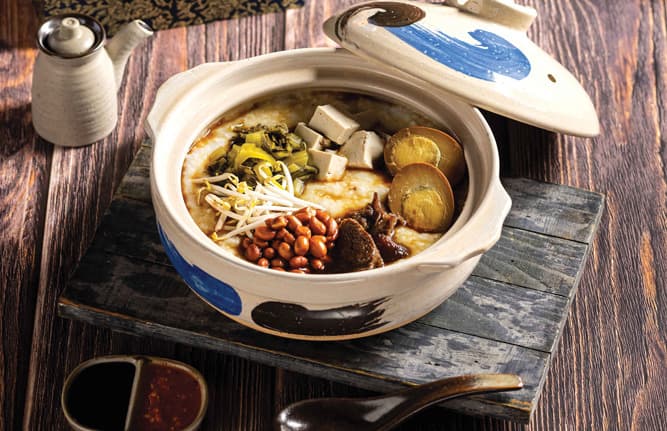
At the beginning of the 20th century, bubur ase was a popular food among Batavia residences and was a mainstay for Betawi society.
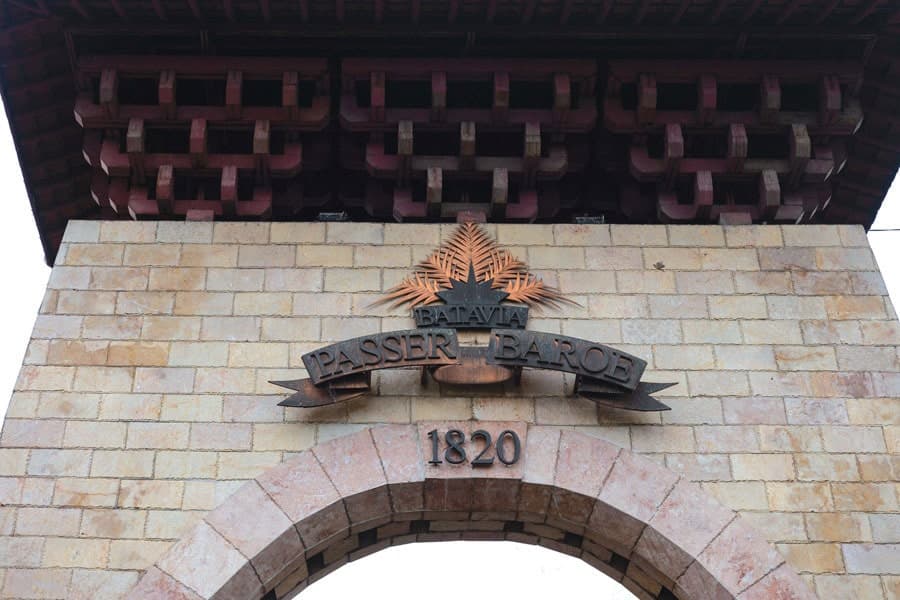
Pasar Baru — or Passer Baroe, as it was called then — became a melting pot of communities and ethnicities, from Chinese, Indians, Europeans, and even Malays.
The Menteng Heritage Society, Indonesian Heritage Society hosted the first ‘Menteng Open’, focused on Jakarta's heritage houses.
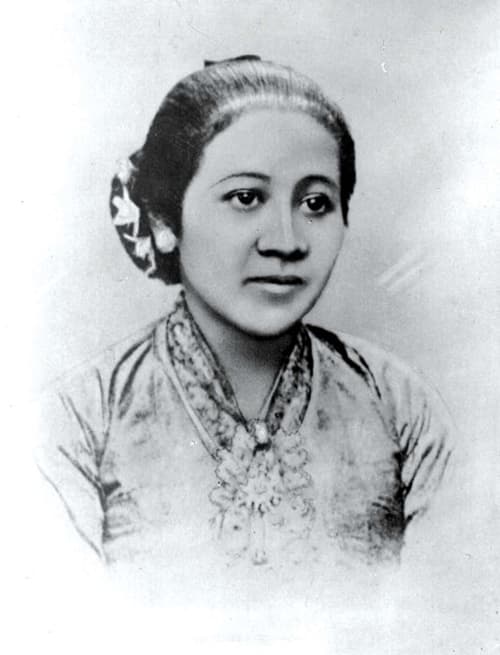
Everyone who's been in Indonesia long enough has either celebrated or heard of Kartini Day. But do you know her story?
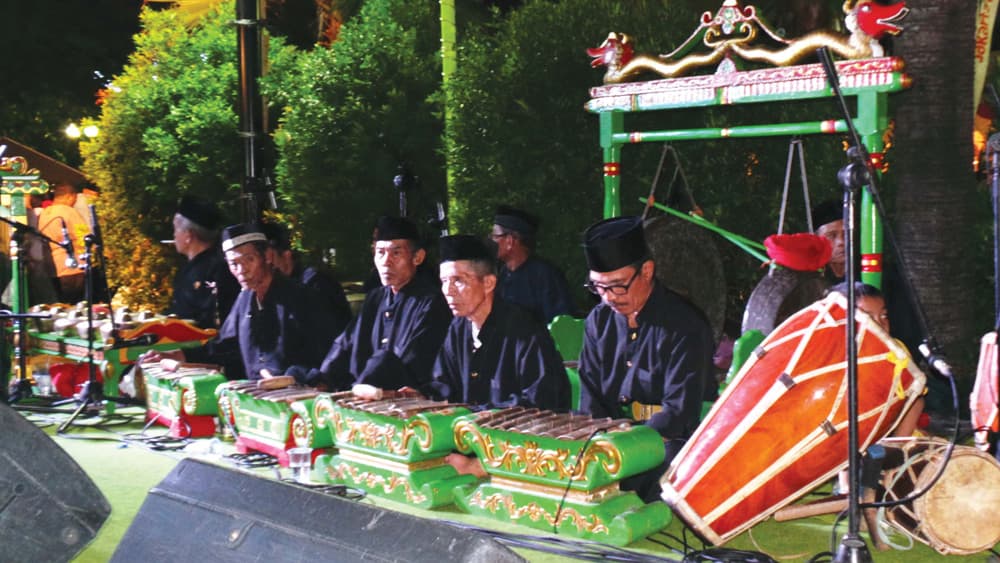
Ever heard of Gambang Kromong? Here's what you need to know about this Javanese and Sundanese blend of gamelan orchestra.
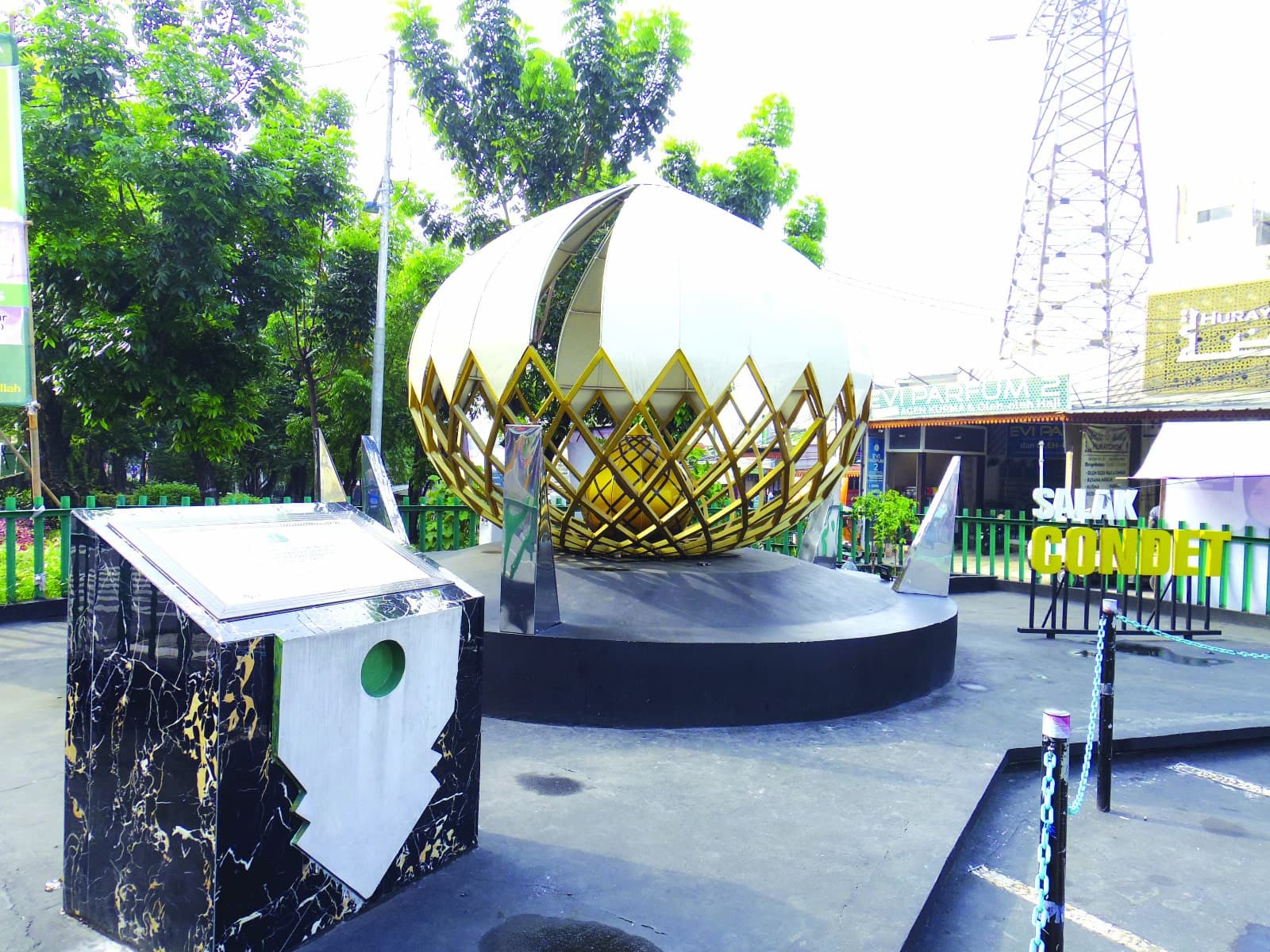
Exploring Condet in East Jakarta will allow you to see the roots of some important history. Condet today is, like other parts of Jakarta, experiencing the erosion of its Betawi identity, while being dense and chaotic, congested, and sadly also prone to flooding.
With its tree-lined pathways and picnic-ready grounds, Urban Forest Cipete offers an experience of park life like no other.
Bir Pletok is the star of Betawi traditional drinks at many cultural events and it is often served as a welcome drink for anyone who sets foot in Jakarta.
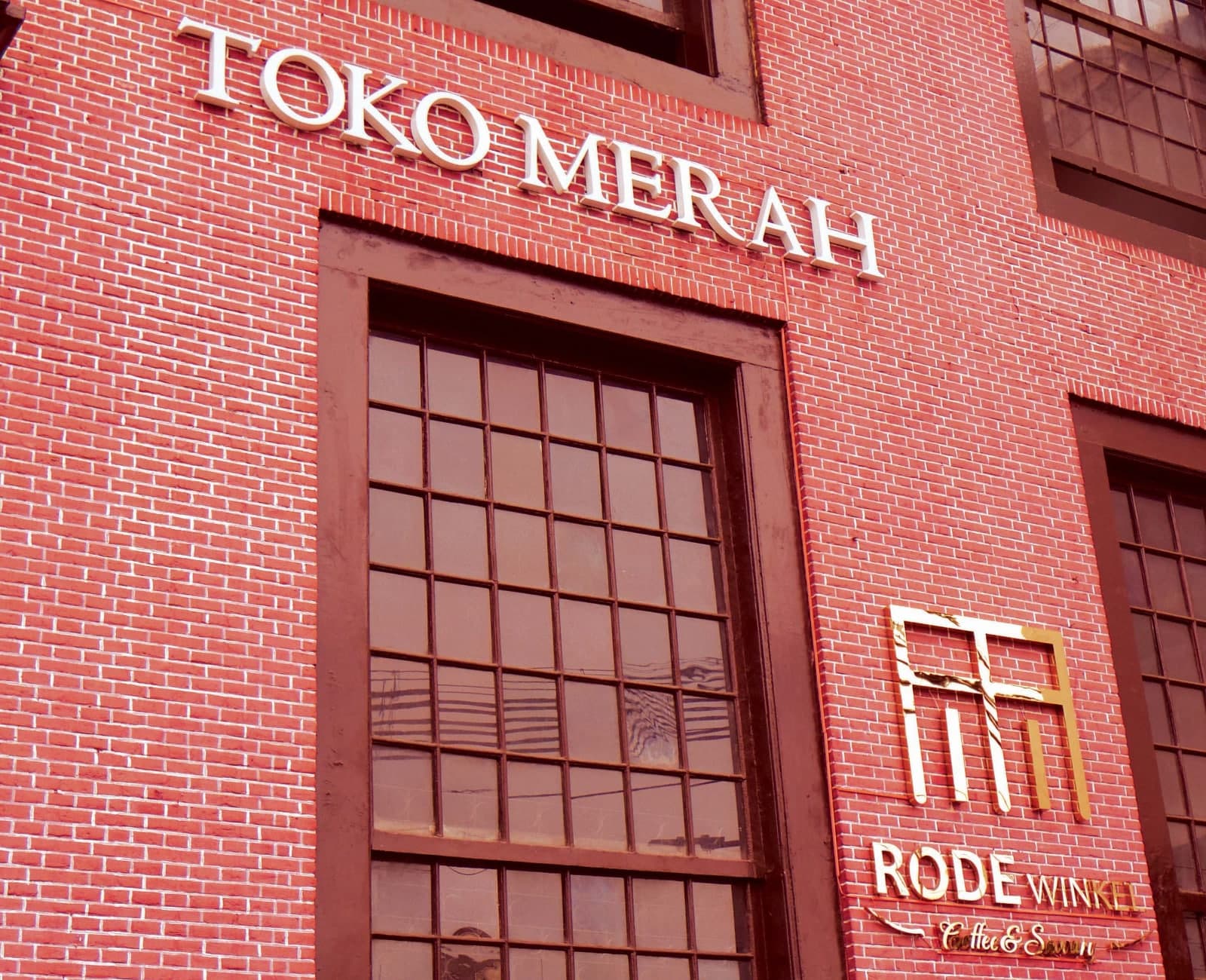
After a long period of closure, Toko Merah is now open with its new name Rode Winkel, providing a vibrant way to stroll through its rich history while savouring good drinks and sumptuous food.
Jakarta is widely known as a multi-ethnic city. Yet, not many people know that on the east of Tanjung Priok harbour lies a village inhabited by people of Portuguese descent who still preserve their culture and heritage. It is from this old village where keroncong music and gado-gado originated.