
Why Jakarta Needs Cultural Collaboration, with Bambang Prihadi of Jakarta Arts Council
Chairman of the council, Bambang Prihadi, shares his and his team’s current mission in reaffirming DKJ’s position and function, in line with its original vision set up by Jakarta’s first governor, Ali Sadikin.
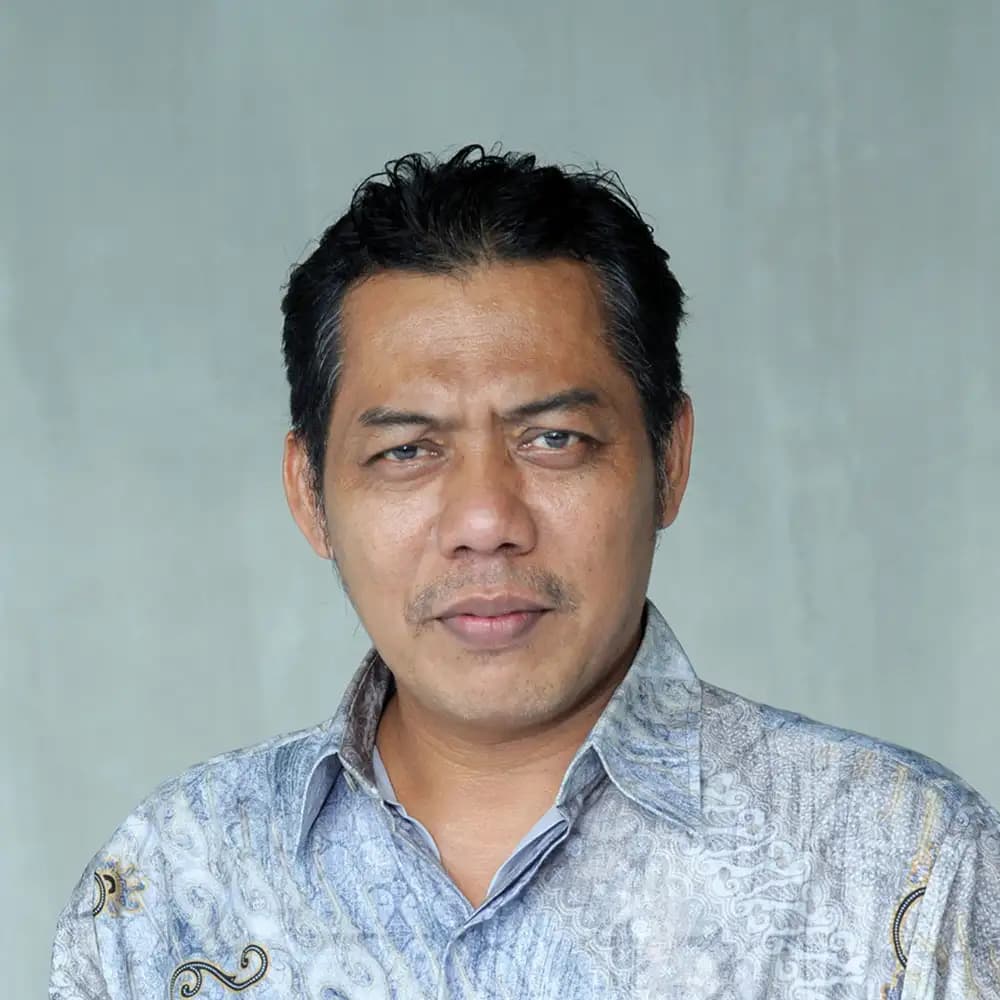
What does Jakarta need to do in order to be recognised as a cultural city? In this opinion series, NOW! Jakarta hears from the leaders of the city’s artistic institutions to gain insight into fosteringand developing specific areas of culture. Bambang Prihadi of Jakarta Arts Council talks to us about cultural collaboration.
For the past five decades, the Jakarta Arts Council, or Dewan Kesenian Jakarta (DKJ), has been a deciding force in developing Jakarta’s arts and cultural landscape. Despite this, it has in recent years been navigating a challenging period. Chairman of the council, Bambang Prihadi, shares his and his team’s current mission in reaffirming DKJ’s position and function, in line with its original vision set up by Jakarta’s first governor, Ali Sadikin.
“Ali Sadikin led Jakarta from 1968 to 1978. He had an intense vision, mission and commitment for building Jakarta’s cultural base,” says Prihadi. Dewan Kesenian Jakarta was inaugurated by Sadikin on 7 June 1968, entrusting it with the responsibilities of formulating, compiling, curating, supervising, and establishing standards for the arts, as well as shaping foundational policies for culture development. The council was tasked to support annual programs within six genres —film, music, literature, fine arts, dance and theatre— helping to foster iconic events like the Jakarta Theater Festival and Jakarta Biennale. This was all in an effort to make Jakarta a city of culture worthy of international travellers.
Beyond just an organisational body, DKJ was given a home where programs could take root: the Jakarta Arts Center, better known today as Taman Ismail Marzuki (TIM). “Ali Sadikin developed a very strong ecosystem for TIM… it is our flagship, the ideal place to develop arts and culture on a national scale,” adds Prihadi.
Beyond just an organisational body, DKJ was given a home where programs could take root: the Jakarta Arts Center, better known today as Taman Ismail Marzuki (TIM).
Jakarta is not lacking in facilities nor artists, creatives or communities, but these all need support for them to realise their full potential. The city now hosts premium cultural events, such as ART Jakarta or Art Moments, and though independently run, these deserve to be part of the city’s official annual calendar. Prihadi notes a lack of cohesion between the government, the artists, the communities and big event organisers, who if aligned could make really fabulous hallmark events for Jakarta. “This is where DKJ wants to fill the void, to connect and to help manage as well as foster the growth and development of the cultural landscape in Jakarta.”
Prihadi has high hopes for DKJ under the Governor of Jakarta, noting that DKJ’s responsibilities can be elevated through a single revision to the Governor Regulation No. 64 of 2006— adding to the DKJ Duties Article:”Conducting monitoring and evaluation of the growth and development of the arts in the Special Capital Region of Jakarta Province and reporting to the Governor and Jakarta Academy”. Through this, DKJ can once again resume its original mission set by Ali Sadikin.
________________________________________________________________________________________________________________
Read more in the series: Why Jakarta Needs….
Art Communities, with Ayu Utami | Cultural Collaboration, with Bambang Prihadi | Contemporary Art, with Venus Lau | Music, with Nathania Karina | Literature, with Laura Prinsloo
Read Next
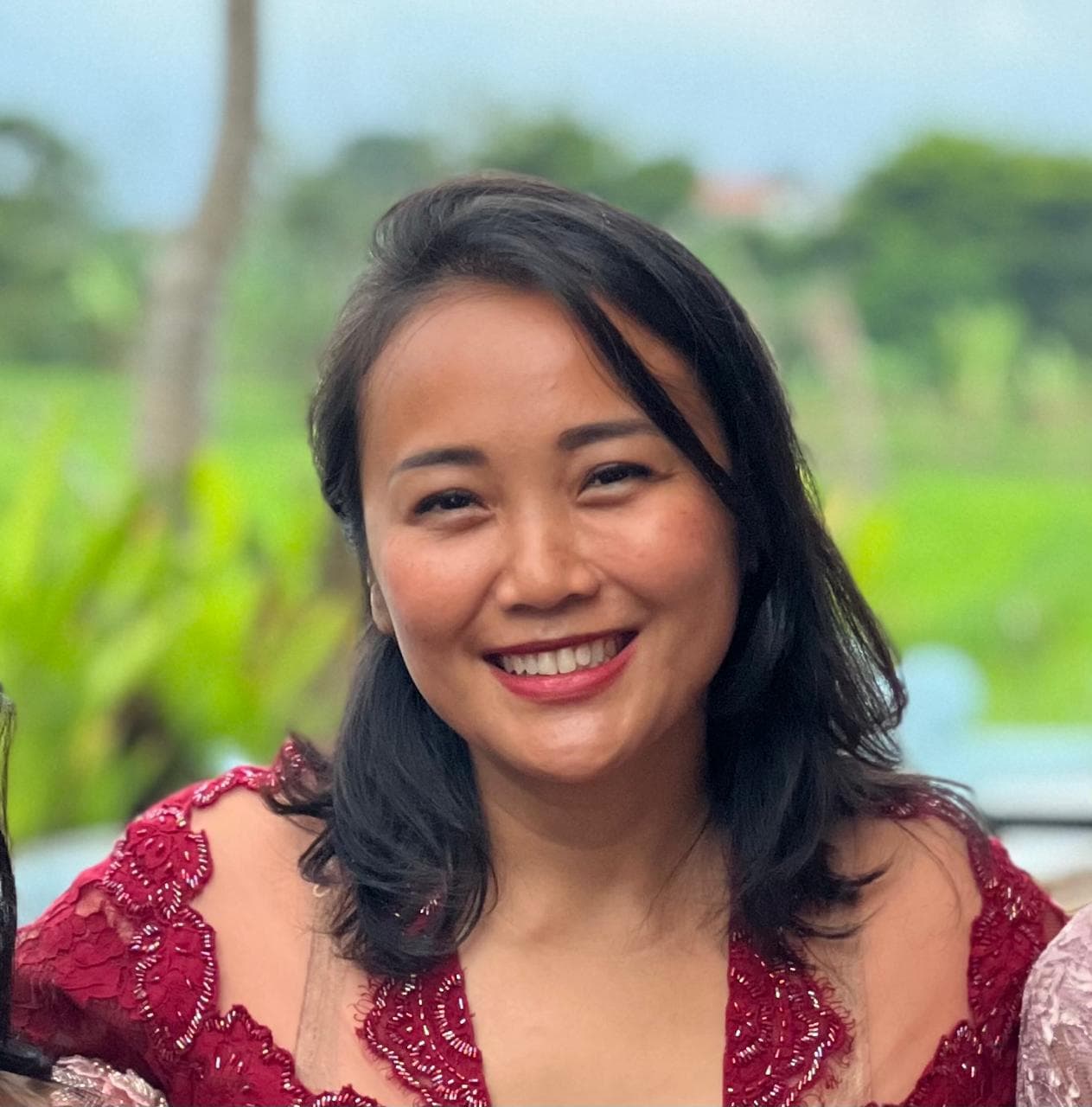
Why Jakarta Needs Literature, with Laura Prinsloo of Pulau Imaji
Laura Prinsloo, who spearheaded Jakarta's designation as a UNESCO 'City of Literature', shares why Jakarta needs literature and reading.
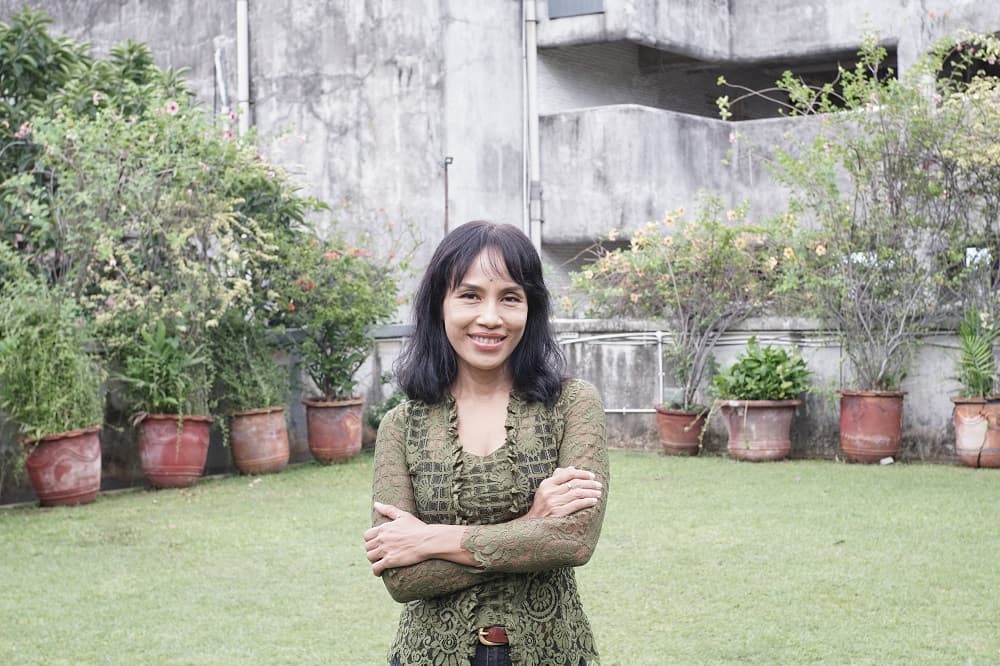
Why Jakarta Needs Art Communities, with Ayu Utami of Salihara Art Centre
Ayu Utami, acclaimed Indonesian novelist and cultural curator, shares insights on Jakarta’s thriving arts scene, festivals, and diverse cultural identity.
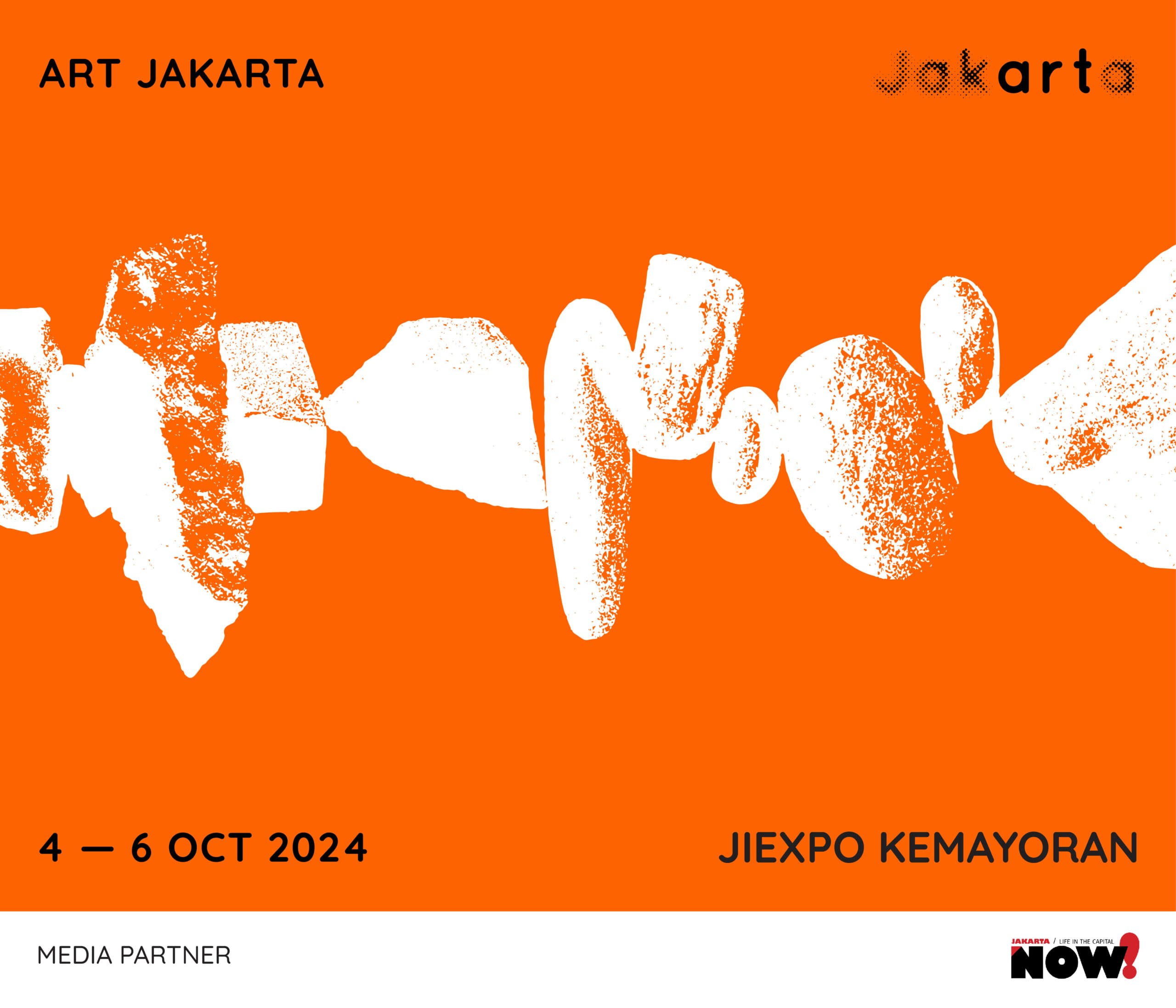
Art Jakarta 2024 Marks the Return of Indonesia's Flagship Art Fair
Art Jakarta, Indonesia’s flagship art fair, is back on 4–6 October 2024. With a clear focus on Southeast Asia and hosted in the region’s dynamic centre for contemporary art, it is a vibrant international forum for all stakeholders of this important art ecosystem.