What is a Sustainable City?
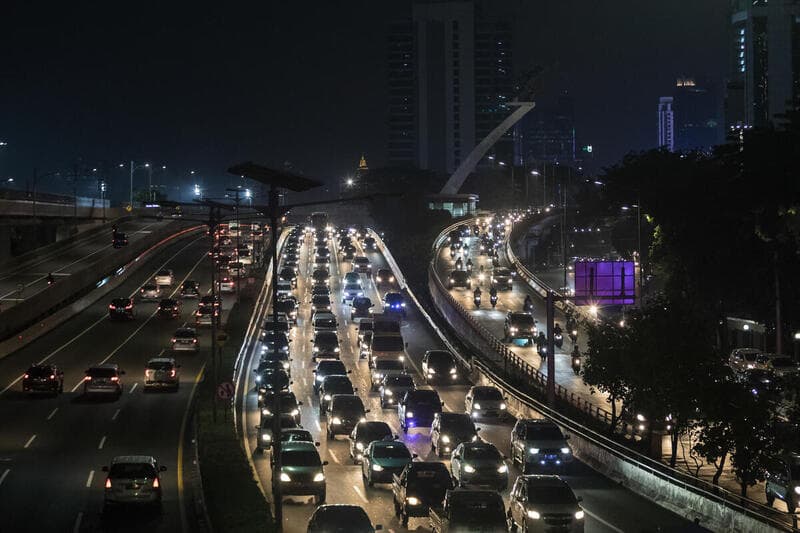
As Jakarta struggles to rise to the challenges of becoming a modern, liveable megacity, finally putting in place an MRT—140 years behind London, but now at least started—and begins the battle with waste, flooding, slums, air pollution, traffic management and a myriad of other challenges, we ask the question: what does it actually take to be a sustainable city and who has achieved it so far? Perhaps by looking at the factors in their success we can see the best (and quickest?) way forward for Jakarta.
Sustainable cities, also referred to as eco-cities, work towards creating environmentally, economically and socially resilient surroundings for their citizens without compromising the needs of the future generation to thrive in the same environment.
We constantly hear about how the world is becoming more polluted every day. The oceans, rivers and even the air we breathe are getting contaminated at a staggering rate. The more we continue to pollute these natural resources, the more it becomes hazardous for our well-being in this world.
Unfortunately, this state of decay isn’t just restricted to any one particular country or a state. We are on the top of a global crisis that will soon render our lands inhabitable if we don’t take effective measures quickly. But what are those measures, and how do we evaluate a sustainable city?
Unfortunately, this state of decay isn’t just restricted to any one particular country or a state.
Here are the benchmarks that are used in most studies; the three pillars of sustainable cities:
Sub-pillars include ease of doing business, GDP per capita and connectivity.
So let’s look at one list of the world’s most sustainable cities and see why they got where they are:
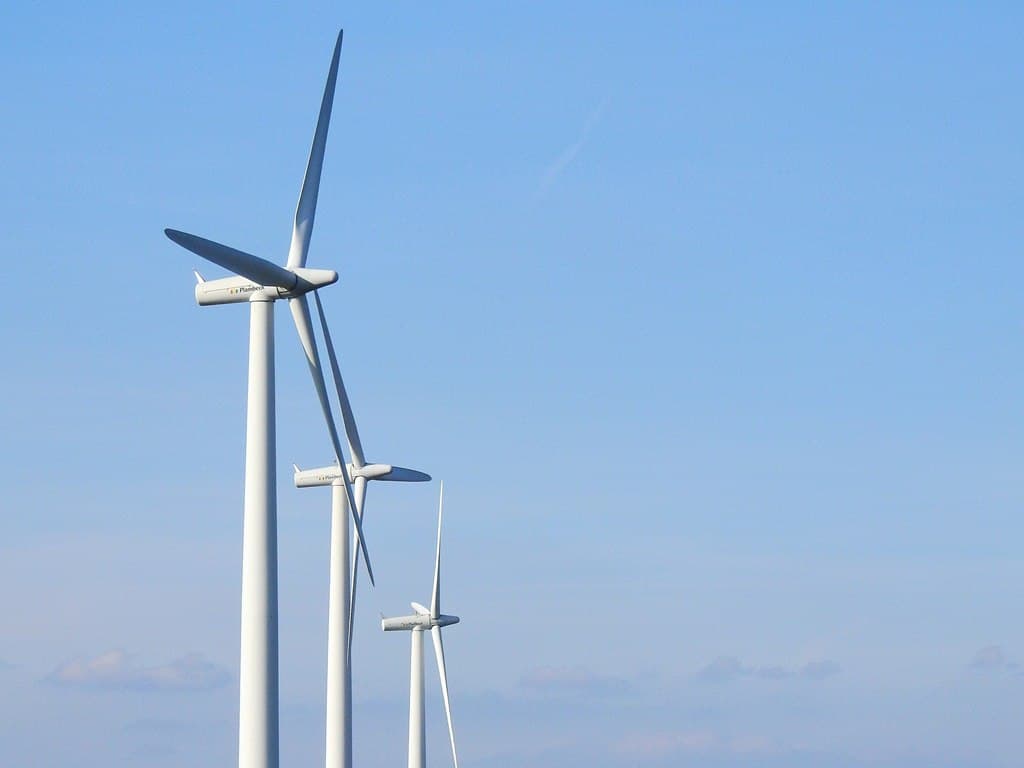
The eco-city or a green city pours effort into eliminating the overall carbon footprint of the city whilst embracing nature and investing in eco-friendly projects that help the humans and nature to coexist aiming towards sustenance and sustainability. There are certain practices that need to be followed strictly to achieve such a goal. The primary initiative is being able to find alternative sources of energy rather than depending on fossil fuels. In the development of such a green city, the efforts are shared between the government and the citizens alike. The result is a city that is modern and also environmentally-friendly.
Is Jakarta on the right track? Do we see more bikes than cars? Yes, but they are motor bikes! Do we have electric vehicles? Yes, but in tiny numbers. Do we have recycling or tree planting, or solar energy, or healthy food? Honestly, no, so we have to stop and think very hard and stop thinking it’s the governments responsibility and start thinking it’s ours too.
Read on and see if there are solutions being sought for the redemption of Jakarta!
This article is originally from paper. Read NOW!Jakarta Magazine May 2019 issue “Can Jakarta Really Change?”. Available at selected bookstore or SUBSCRIBE here.
Read Next
Sustainability Matters: Wasted Opportunities
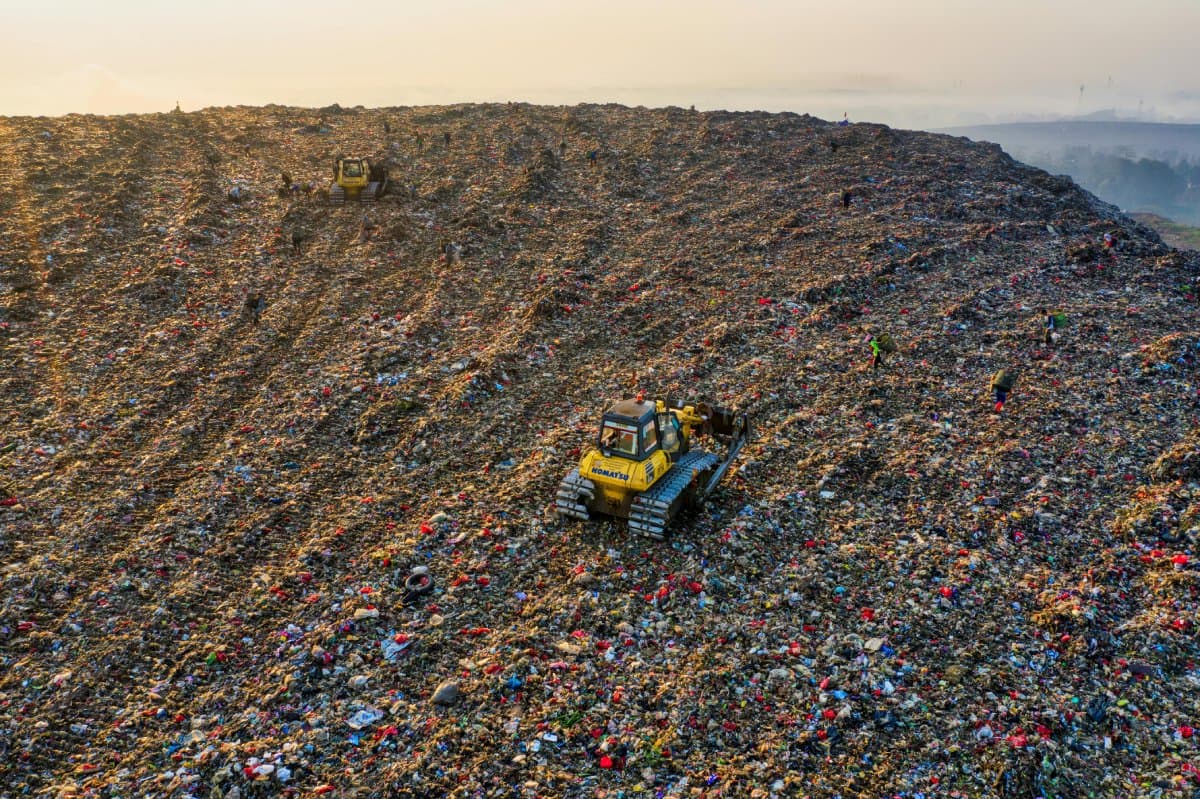
Explore how NOW! Jakarta tackles Indonesia's waste crisis. Learn why sustainability matters and how we can turn wasted opportunities around.
Going Green in Jakarta: Recycling, Composting and Responsible Waste Management
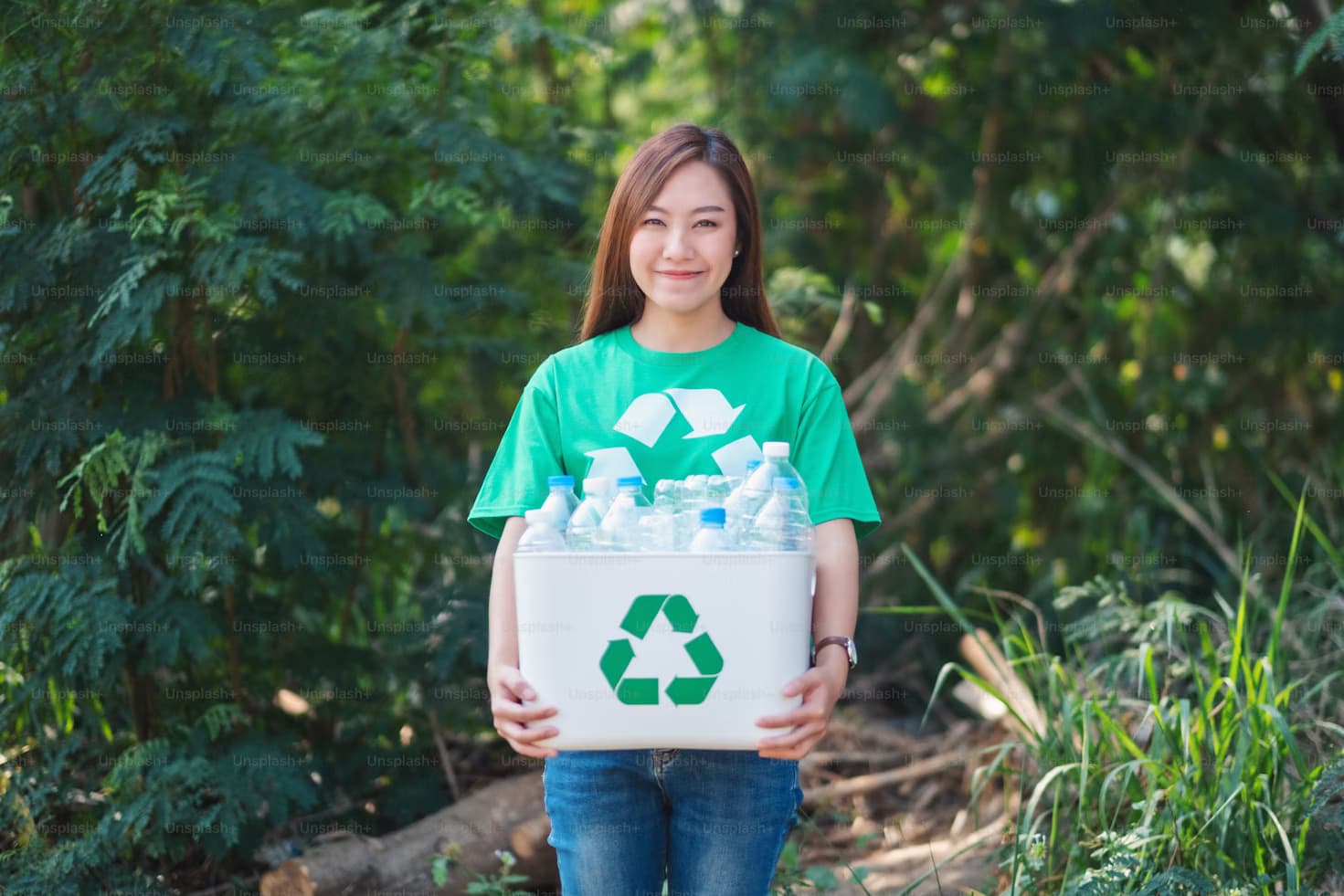
Indonesia is especially infamous for its poor waste management infrastructure. That’s why NOW! Jakarta has curated a list to share solutions.
The Exhausting Process of Controlling Transportation Emissions
In an effort to support DKI Jakarta’s net zero emission (NZE) target of 2050, the Greenpeace Indonesia research team in collaboration with the Resilience Development Initiative conducted research whose results were launched at the Jakarta Future Mobility event, on 14 December 2022 at the Goethe-Institut Indonesien.