
UNESCO Grants World Heritage Status to Yogyakarta's Cosmological Axis and Historic Landmarks
UNESCO has officially recognised the Cosmological Axis of Yogyakarta and its Historic Landmarks as a distinguished world heritage sites.

The United Nations Educational, Scientific and Cultural Organization (UNESCO) has officially recognised the Cosmological Axis of Yogyakarta and its Historic Landmarks (Sumbu Filosofi Yogyakarta) as a distinguished world heritage site from Indonesia. This historic designation occurred during the 45th Session of the World Heritage Committee (WHC) in Riyadh, Saudi Arabia, on Monday, September 18, 2023. Among the attendees at this significant session was the Vice Governor of Yogyakarta, KGPAA Sri Paduka Paku Alam X.
The central axis of Yogyakarta was established in the 18th century by Sultan Mangkubumi, and has continued from that time as a centre of government and Javanese cultural traditions. The six-kilometre north-south axis is positioned to link Mount Merapi and the Indian Ocean, with the Kraton (palace) at its centre, and key cultural monuments lining the axis to the north and south that are connected through rituals.
The official management organisation of the axis explains this further:
"The placement of the landmarks along the Cosmological Axis was designed to manifest in physical form the Javanese philosophical thoughts on human life, especially the cycle of life (Sangkan Paraning Dumadi), ideal harmonious life (Hamemayu Hayuning Bawana), the connection between human beings and the Creator (Manunggaling Kawula Gusti), and the microcosmic and macrocosmic worlds.
The property includes the Kraton (Palace) Complex and landmarks (monuments, structures and spaces) located along a tangible 6 km long south-north axis. The landmarks are connected spatially, in their design, through rituals, and by the traditional management system of the Sultanate of Ngayogyakarta Hadiningrat."
The property includes the Kraton (Palace) Complex and landmarks (monuments, structures and spaces) located along a tangible 6 km long south-north axis.
In response to this prestigious recognition, Yogyakarta Governor Sri Sultan Hamengku Buwono X emphasised that this success is the outcome of collaborative efforts among all stakeholders and serves as a tribute to the masterpiece of Sri Sultan Hamengku Buwono I. "We extend our gratitude to UNESCO and all the residents of Yogyakarta who have supported the preservation measures for the cosmological axis as a world heritage," he expressed. The governor also expressed hope that this designation would serve as an educational experience in understanding the universal values essential for crafting a better world in the future.
Dian Lakshmi Pratiwi, the head of the Yogyakarta Cultural Office, clarified that the primary objective of this appointment is to safeguard the invaluable cultural heritage of Yogyakarta. Dian pointed out that maintaining this status would be an even more challenging endeavour than obtaining it, as the cosmological axis is no longer solely Yogyakarta's but belongs to the world.
The Cosmological Axis of Yogyakarta and its Historic Landmarks, first established in the 18th century by Sultan Mangkubumi, embody spatial planning rooted in Javanese conceptions. This architectural marvel forms a south-north axis, featuring Krapyak Stage on the southern end and Kraton Yogyakarta and Tugu Yogyakarta on the northern end.
Find out more at jogjaheritage.com
Read Next

Indonesian Jamu Officially Recognised as UNESCO Intangible Cultural Heritage
‘Indonesian Jamu Wellness Culture’ was officially recognised by as one of the world’s Intangible Cultural Heritage.
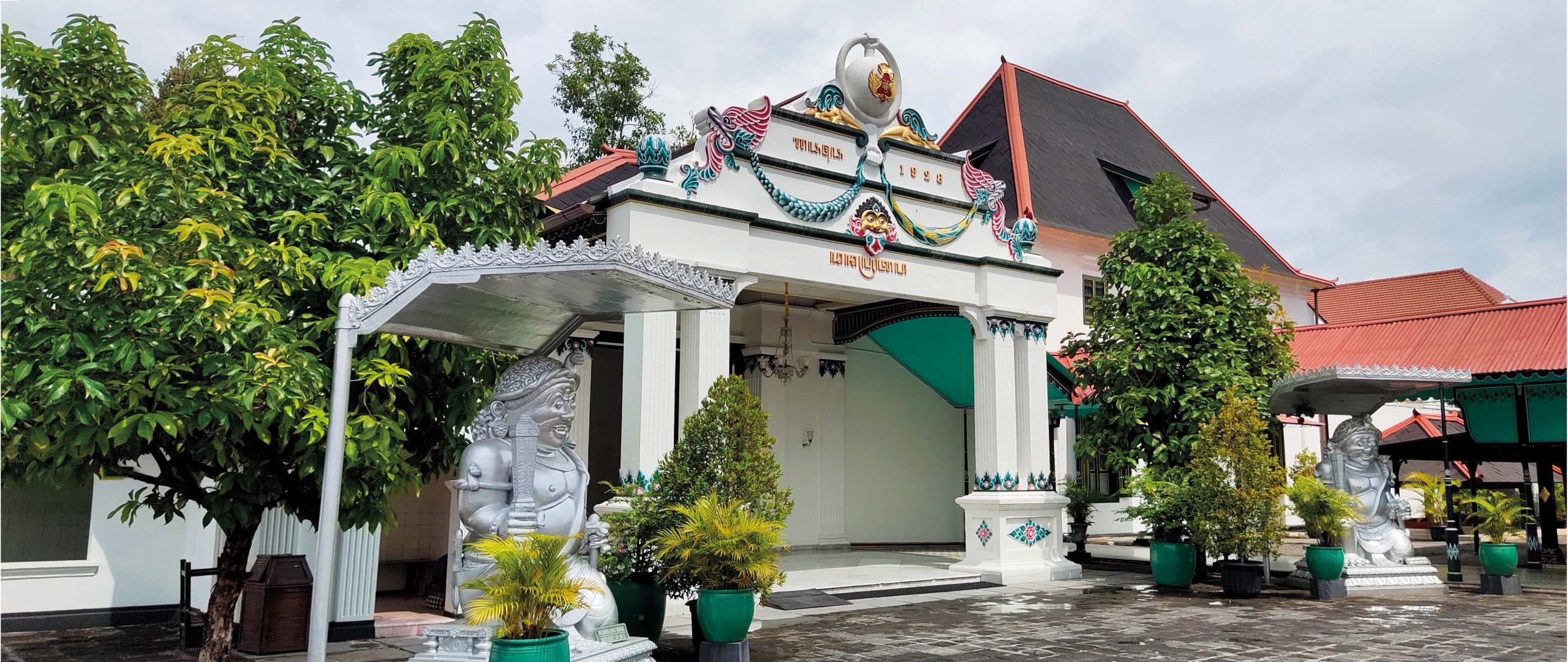
Yogyakarta - a Special Report on a Special Place
Yogyakarta is a Daerah Istimewa, special district, in south-central Java, and is often affectionately known as Jogja

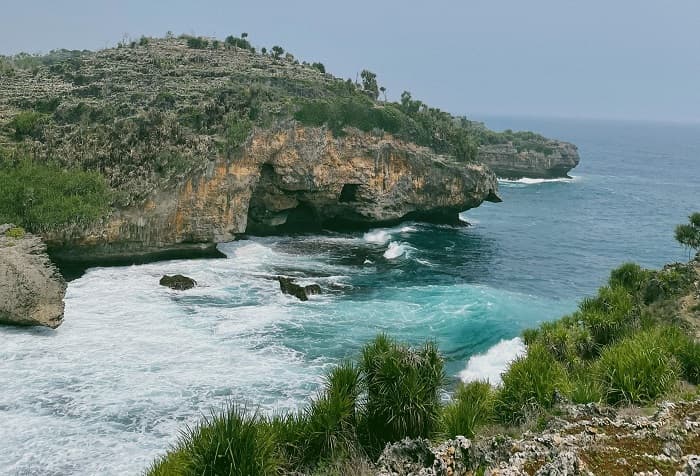
The Seven Beaches of Kanigoro: A Journey Through Yogyakarta’s Mystic Coastline
Explore the mystical stories and wonders of the Seven Beaches of Kanigoro and what makes them worth visiting.
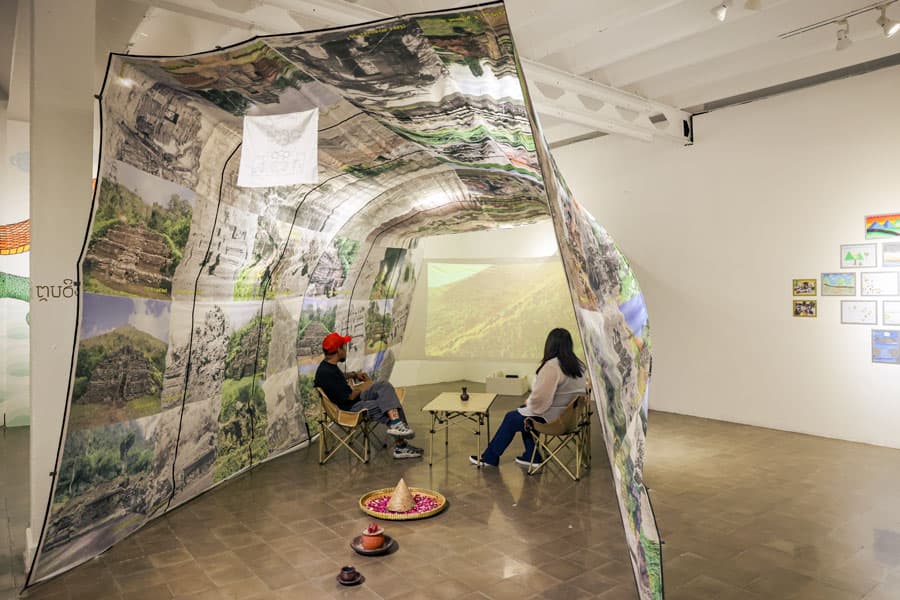
‘Ring of Pawitra’ Installation at ARTJOG 2026 Draws Attention to Sacred Javanese Sites in Danger
A fascinating yet poignant community art and research project, Rings of Pawitra, a major highlight at ARTJOG 2026.
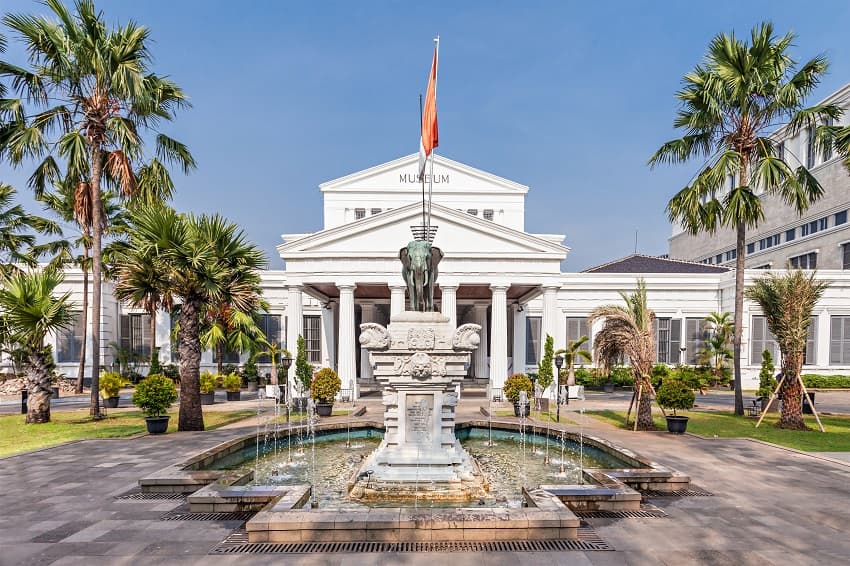
Guide to Museum Nasional Indonesia: Jakarta's Institution of Culture & History
Standing regally on the western edge of Jakarta’s Merdeka Square, Museum Nasional Indonesia is an institution of culture and history.