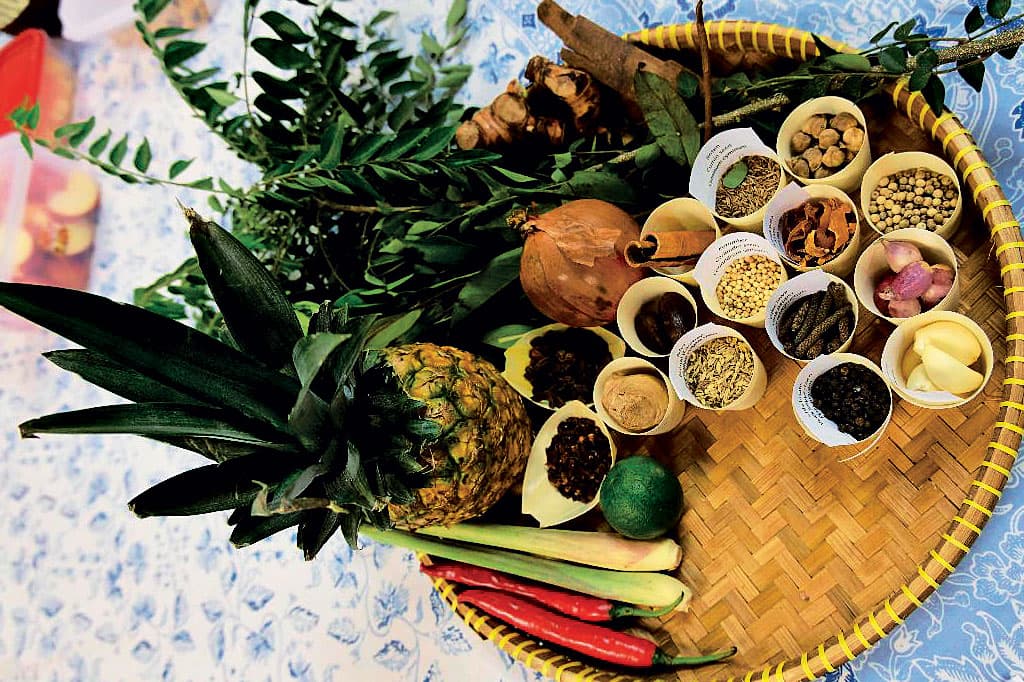
The Flavour Biodiversity of the Archipelago: Building Blocks of Nusantara Gastronomy
Explore how Indonesia's rich edible biodiversity, from root spices to local sugars, shapes the true foundation of Nusantara gastronomy.
“If landscape shapes flavour and culture gives it meaning, biodiversity is the source of Nusantara’s remarkable spectrum of flavours.”
Indonesia is often celebrated for its rich culinary traditions, yet the true foundation of ‘Nusantara gastronomy’ lies much deeper. In reality, it stems from the nation’s extraordinary biodiversity. Rather than attempting to catalogue every edible ingredient, this exploration focuses on the foundational elements that structure cuisine, what we’re terming the “flavour builders,” i.e. the components that shape taste, nourishment, and resilience across Nusantara gastronomy.
Stretching across more than 17,000 islands, Indonesia encompasses volcanic highlands, tropical rainforests, mangrove coasts, savannas, coral seas, and fertile valleys (which we covered in Part 1 of this series). Each landscape nurtures distinct ingredients, and over centuries, communities have transformed this biodiversity into diverse culinary traditions.
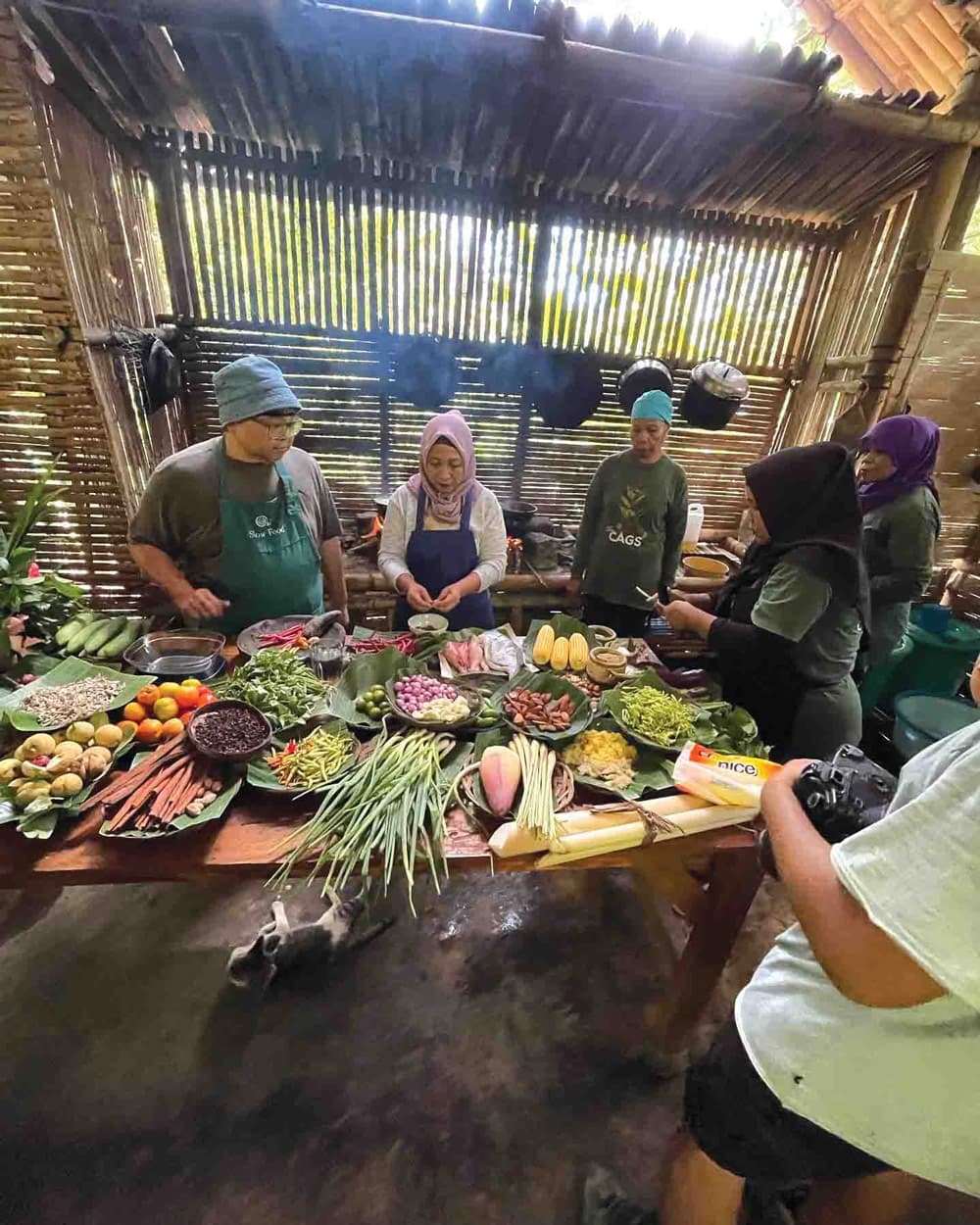
Unlike cuisines built around a limited pantry, Nusantara gastronomy is constructed from a constellation of spices, herbs, souring agents, natural sweeteners, salts, umami ingredients and fats. These ingredients vary from island to island, shaped by ecology, climate, and cultural knowledge — forming the edible wealth that defines Indonesia’s culinary identity.
Want to hear from Helianti in person?
She and other incredible speakers will be at Ubud Food Festival from 28 - 31 May 2026.
Long before Indonesia became a nation, the archipelago shaped global history through spices. Yet beyond cloves and nutmeg, Nusantara’s spice diversity is far richer - a living architecture of nuts, roots, barks, seeds, and flowers.
Long before Indonesia became a nation, the archipelago shaped global history through spices.
At the foundation of many Indonesian spice blends are the root spices – turmeric, ginger, galangal, kencur, and fingerroot – collectively known as temu-temuan. These roots form the base of bumbu, defining regional cuisines across the archipelago.
Nut-based spices such as kemiri (candlenut) provide creaminess and body to spice pastes, while kluwak contributes earthy depth to dishes such as rawon and brongkos. Nutmeg, native to the Banda Islands, adds warmth and subtle sweetness across savoury and sweet preparations.
Indonesia is also home to remarkable endemic peppers. Andaliman from North Sumatra delivers citrusy numbing notes central to Batak cuisine. Cubeb pepper (kemukus) adds aromatic warmth, while long pepper (cabe jamu) contributes gentle heat and medicinal undertones.
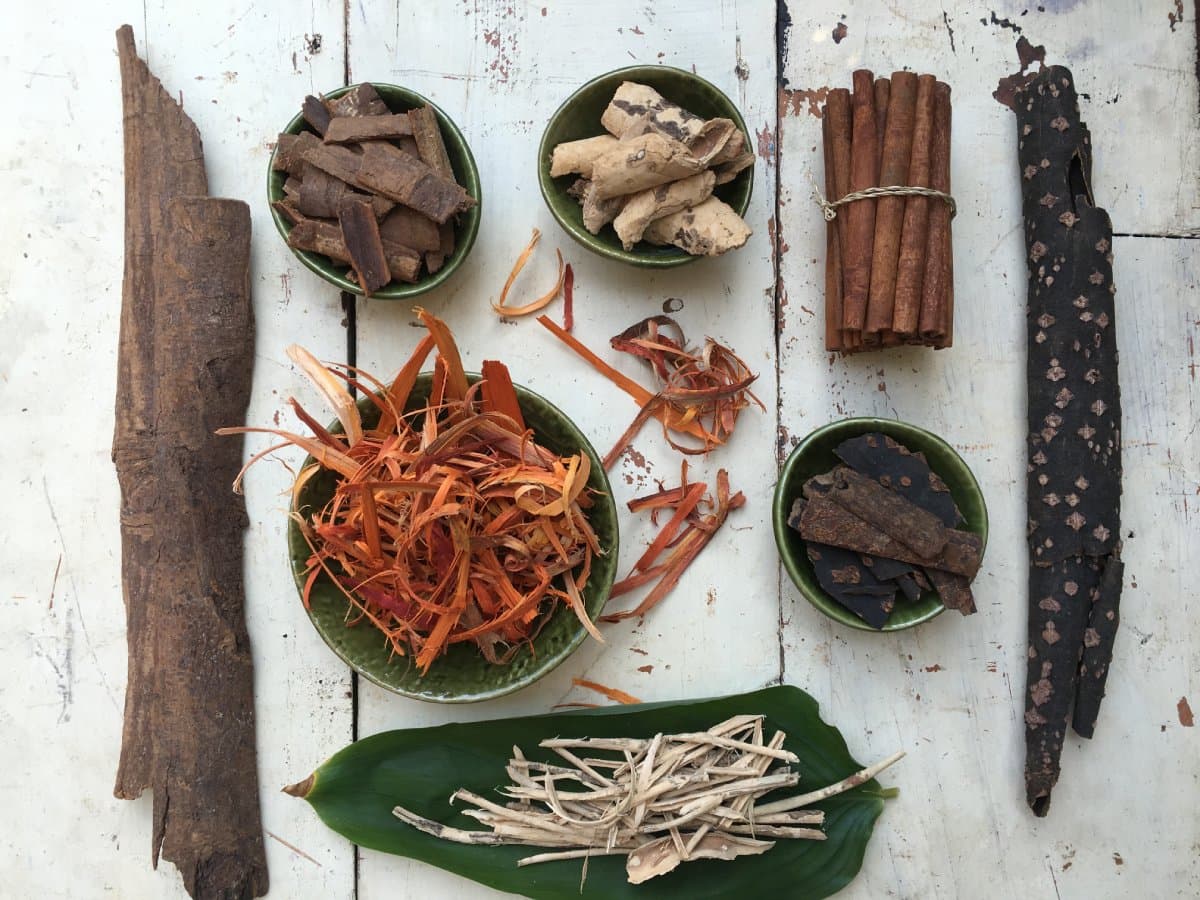
Bark spices further expand this spectrum — cassia cinnamon from Kerinci, pulosari from Java, along with mesoyi (massoia), krangean (Litsea cubeba), and kayu kulim (garlic tree bark) — are often found in ceremonial dishes, slow-cooked stews, and traditional herbal drinks, lending warmth, depth, and aromatic complexity to Nusantara cuisine.
Seed spices such as coriander, fennel, cumin, fenugreek, and cardamom reflect centuries of trade, while flower spices, including cloves and star anise, add fragrant top notes.
Together, these spices create layered flavour systems that are complex, balanced, and deeply rooted in biodiversity.
Used generously, these herbs create freshness, reflect seasonality, and embed landscape into everyday cooking.
Chillies are central to Nusantara flavour building, contributing not only heat but also aroma, colour, and depth. Although introduced through global trade in the 16th century, earlier sources of heat already existed.
In Java, Madura, and Bali, fresh cabe jamu or tabia bun, the fresh form of long pepper, was traditionally used. When ripe, it offers a unique flavour described as strawberry-like with spicy heat, reflecting indigenous approaches to heat before modern chillies became widespread.
Today, Indonesia’s chilli diversity reflects varied landscapes and culinary traditions. In West Java, cabe gendot, often referred to as the Javanese habanero, delivers intense heat ranging from 100,000 to 350,000 Scoville Heat Units (SHU), while in Flores, chilli padi reaches similar heat levels, contributing sharp intensity to eastern Indonesian dishes. Kalimantan’s forest ecosystems produce wild chillies known as cabe hutan, including cabai Hiyung from South Kalimantan, which is reported to be up to 17 times hotter than regular chillies, making it one of Indonesia’s most potent local varieties. In Toraja, cabe katokkon — a round, aromatic chilli with heat levels reaching around 691,000 SHU, combining strong spiciness with fruity complexity. Cabe putih or cabe domba from Manado delivers heat of around 82,000 SHU. Meanwhile, the widely used cabai rawit (bird’s eye chilli), ranges from 50,000 to 225,000 SHU, depending on growing conditions and regional varieties.
Used fresh, crushed, sautéed, fermented, or made into sambal, chillies shape not only heat but also aroma, colour, and culinary identity. From indigenous long peppers to modern chilli diversity, the archipelago’s relationship with heat reflects adaptation, biodiversity, and evolving culinary traditions — another essential dimension of Nusantara’s flavour architecture.
Sugarcane also holds an important place in Nusantara’s traditional sweeteners. Believed to have originated in Papua, sugarcane spread across the archipelago through ancient trade routes and cultural exchange. Traditionally, sugarcane juice was slow-cooked and reduced into solid or liquid sweeteners, similar to the production of coconut and aren sugar.
These sweeteners demonstrate how geography shapes flavour, linking ecosystems to culinary identity.
Fats act as carriers of aroma, binders of spices, and creators of texture. Across the archipelago, fat sources reflect diverse ecosystems.
Coconut remains the most dominant, shaping dishes from Sumatra’s curries to eastern Indonesian stews. Beyond functionality, coconut contributes distinct flavour.
Forests also contribute unique fats. Illipe nut butter from Kalimantan and kenari nuts from Maluku provide richness rooted in local ecosystems. In Papua, buah merah produces a rich oil-like extract that functions similarly to coconut milk while contributing vibrant red colour and earthy taste.
Candlenut, though categorised as a spice, releases oils that bind and soften spice pastes. Animal fats vary regionally — beef fat in West Sumatra, pork fat in Bali, and fish oils in coastal communities.
Together, these fats shape texture, aroma, and mouthfeel, another dimension of Nusantara’s flavour biodiversity.
The diversity of spices, herbs, souring agents, sweeteners, salts, and fats reveals the true wealth of Nusantara gastronomy. Beyond culinary elements, these ingredients are expressions of landscapes, ecosystems, and generations of knowledge.
This biodiversity is also increasingly relevant globally. Through Javara’s experience exporting Indonesian spices and herbs to countries across Europe, the Middle East, Asia, Australia, and the Americas, it becomes clear that although these ingredients are native to Indonesia, their applications extend far beyond Nusantara cuisine. Forest peppers, aromatic leaves, and palm sugars are now used across diverse culinary traditions and contemporary gastronomy.
History offers precedent. Nutmeg and clove, once native only to Maluku, shaped global culinary traditions, from European baking to Middle Eastern spice blends. Today, Indonesia’s broader biodiversity of flavour builders holds similar potential.
As global food systems face climate and sustainability challenges, this biodiversity also offers resilience. Many of these ingredients thrive in diverse ecosystems while supporting smallholder farmers and regenerative landscapes.
Nusantara gastronomy, therefore, is not only a heritage of the past but a pathway forward, rooted in biodiversity, shaped by culture, and increasingly relevant to the global table.
Read Ibu Helianti's other features on our website for free:
Culture: The Living Intelligence that Translates Nature into Taste
Archipelagic Landscapes of Taste: Indonesia’s Culinary Advantage
Read Next
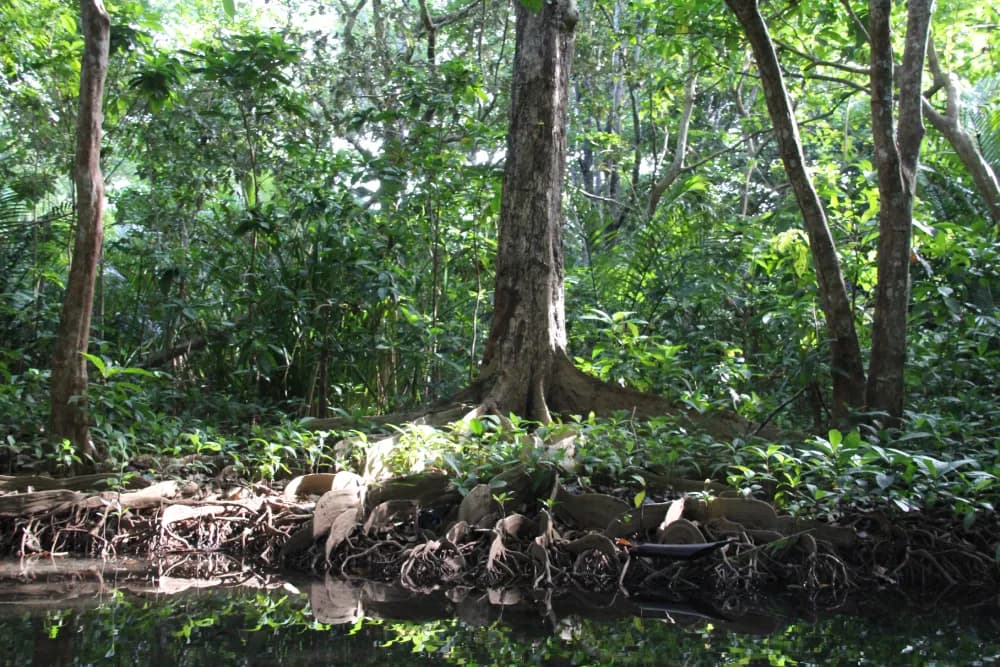
Archipelagic Landscapes of Taste: Indonesia's Culinary Advantage
What if Indonesia’s greatest advantage in global gastronomy is not a dish—but a landscape? Helianti Hilman shares more.
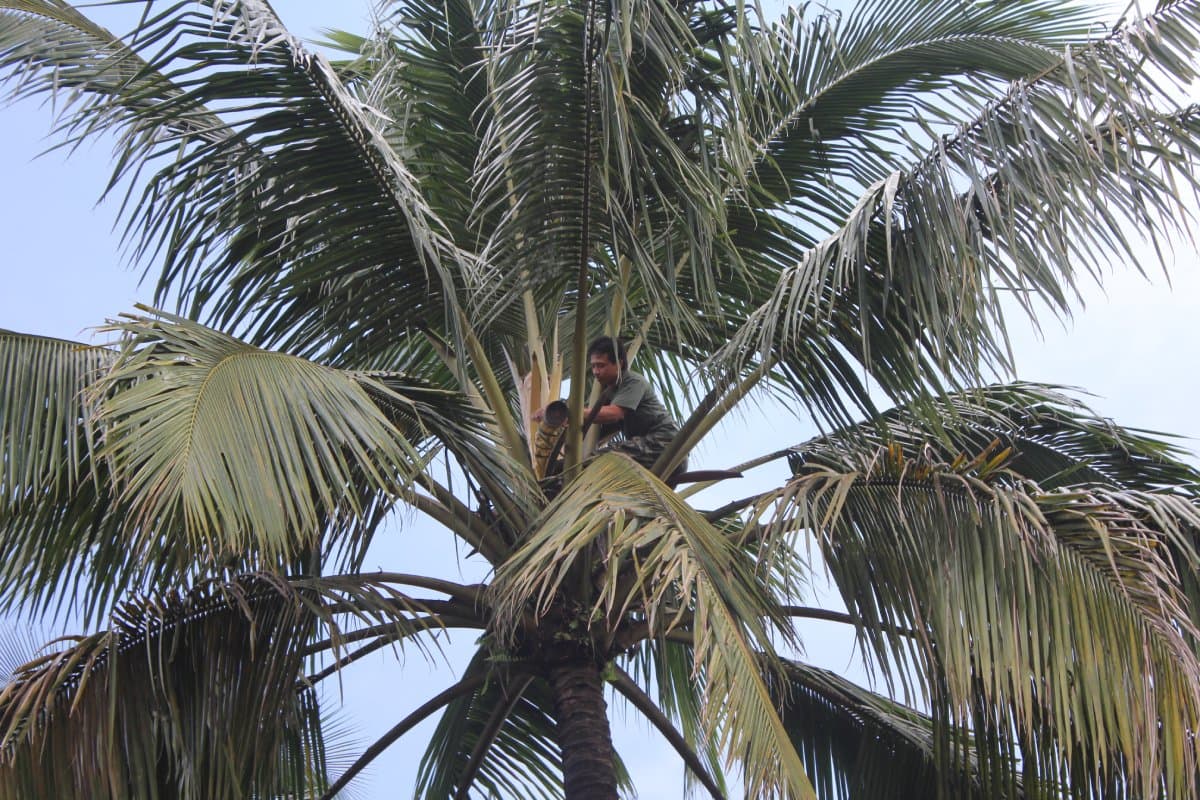
Culture: The Living Intelligence that Translates Nature into Taste
Discover the intersection of nature, culture, and flavor. Learn how human intelligence translates the natural world into culinary excellence.
Preserving Traditional Indonesian Food
Discover the importance of preserving traditional Indonesian food. Explore the rich heritage, unique spices, and authentic cooking rituals.
Fermenting, an Industry
Forum Fermentasi Nusantra (Fermenusa) is on a mission to accelerate Indonesia's homegrown fermented food and beverage products.