
The Art of Javanese Traditional Architecture
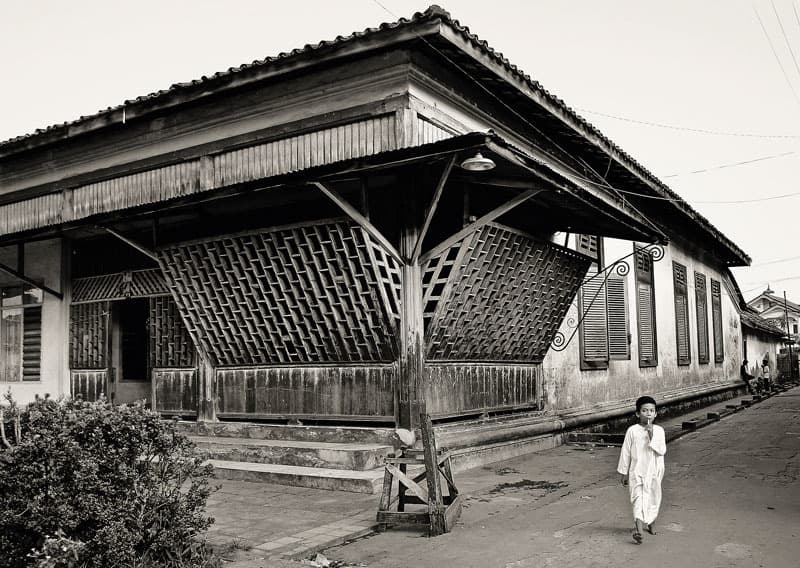
Picking up on that unique heritage, notable archaeologist Mitu M. Prie has released a book that discusses in detail the history and philosophy behind limasan, as well as its influence on architectural styles in other regions of Indonesia, such as Bali, Palembang and Timor Tengah Selatan. The idea dawned on her while doing a study on the ancient Majapahit house, back in her days as an archaeology student at the University of Indonesia. Having added volumes of research later, she was then ready to launch the book, entitled Pancaran Limasan (The Brilliance of Limasan).
Written in English and Bahasa Indonesia and published by Red & White Publishing and Tembi Rumah Budaya, the book carries a global mission to provide a window into Javanese architecture. NOW! Jakarta caught up with the author during her book discussion in Kemang, South Jakarta.
What inspired you to write Pancaran Limasan?
It is reflected by the book’s vision and mission. The vision is to promote the idea that an ancient cultural masterpiece is still alive and the fact that it has contributed to our present time. Cultural identity is very crucial for both the present and the future. It’s a local genius in how it remains relevant in every aspect of life. As for the mission, the book is meant to reveal limasan as one of the cultural “signs” that is not much known yet. The book is meant to provide authentic knowledge about limasan and is written in a popular, modern yet informative manner, so that the current generation can enjoy it.
I hope that the public would gain a thing or two from this topic as it has something to do with our cultural heritage. This book is based on authentic researches and scientific references and it pays attention to artistic detail, focus, information, presentation and objectives, so that everyone, Indonesian or foreigner, can enjoy its knowledgeable content.
I hope that the public would gain a thing or two from this topic as it has something to do with our cultural heritage.
What did you find to be your most memorable experience while writing the book?
[That would be] my dedication and appreciation for this country’s cultural roots, especially because I love my academic background, archaeology, so much. It has helped me uncover the identity of limasan as a part of our authentic cultural richness. I am proud of it, and it is my intention to share the information with the wider public through Pancaran Limasan.
Any obstacle or challenge?
It was tough to sort the abundance of information and focus it on the very special features of limasan. I also had to think about the technical aspects of the book, such as the number of pages, the deadline and the writing style. How did I deal with those issues? Well, I just kept working on it because this is my passion.
Did you get any help?
I had a team that helped me with the book packaging, including coming up with the graphic designs, building illustration sketches, digital photo process and translation.
In hindsight, what did you gain from the whole experience of writing a book?
I find Pancaran Limasan to be quite good and informative. I wish I could add more information to it, but then it would mean adding the number of pages and thus adding the cost of publishing. Because Pancaran Limasan was intended to be kind of a coffee table book, ideally it shouldn’t be too “heavy” for the readers. It is all about the priority scale.
Any plan to write more books in the future?
I want to keep writing as long as I live, especially because I want to help reveal and inform the public about Indonesian civilization, especially in relation to art and culture.
Twitter: @MMPrie
Read Next
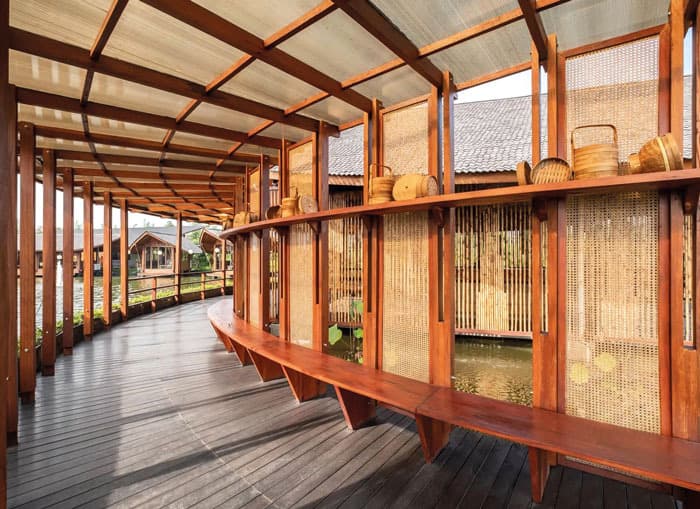
What Makes A Design ‘Indonesian’ Today?
Finding the characteristics that can define Indonesian Design Today with experts Andra Matin and Helen Agustine.

A Window into the Art, History & Culture of Kota Tua Jakarta
tHE Indonesian Heritage Society and the Tugu Hotels & Restaurants Group extended an invitation to a select group of passionate art and history lovers for a joint discussion on the sustainable development of the Kota Tua Jakarta.
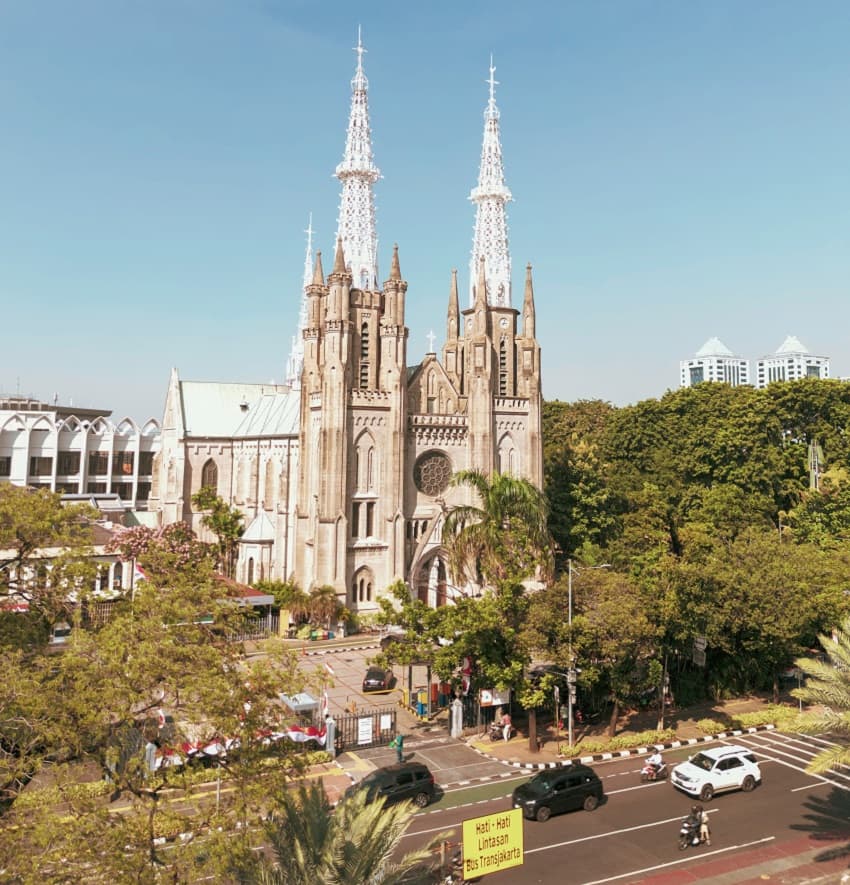
Jakarta Cathedral: A Neo-Gothic Masterpiece in Indonesia
A vision of towering spires and intricate stonework, the Jakarta Cathedral, is a masterpiece of Neo-Gothic architecture.
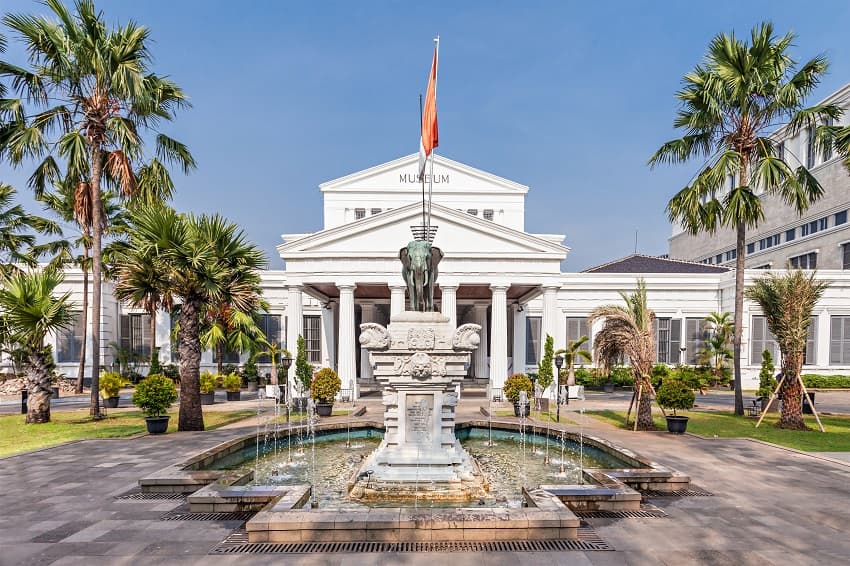
Guide to Museum Nasional Indonesia: Jakarta's Institution of Culture & History
Standing regally on the western edge of Jakarta’s Merdeka Square, Museum Nasional Indonesia is an institution of culture and history.
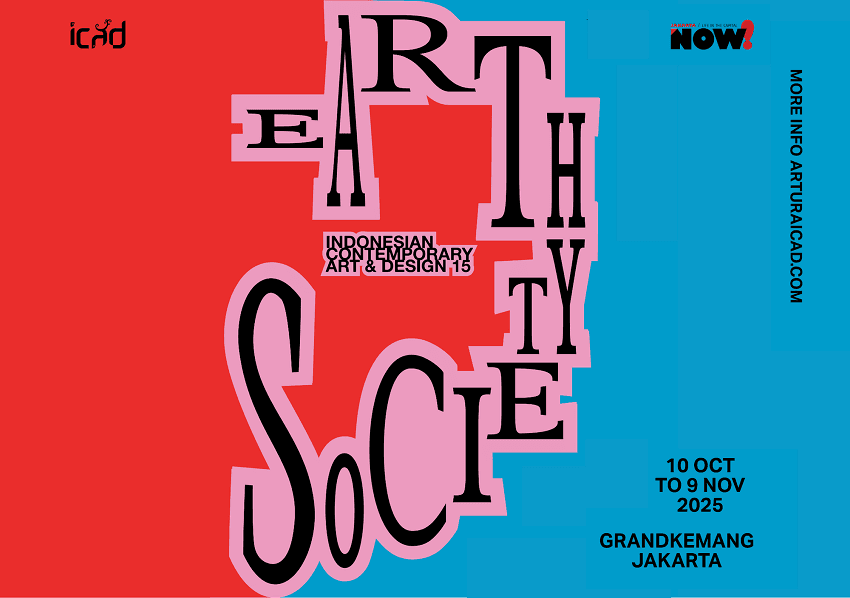
Discover Indonesian Contemporary Art and Design At ICAD 15
With the theme of Earth Society, ICAD 15 will run from 10 October to 9 November 2025 at the Grandkemang Hotel with more than 50 participants.