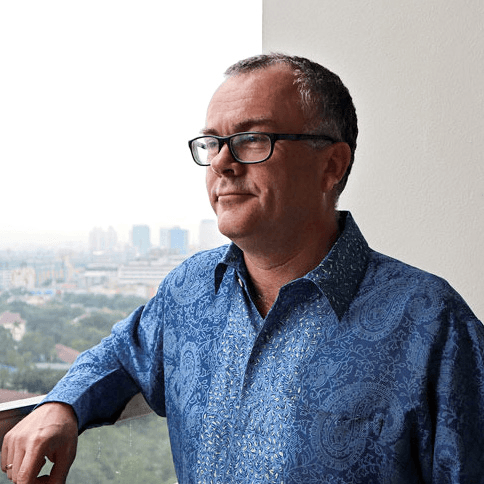
Interview with British Ambassador H.E. Owen Jenkins
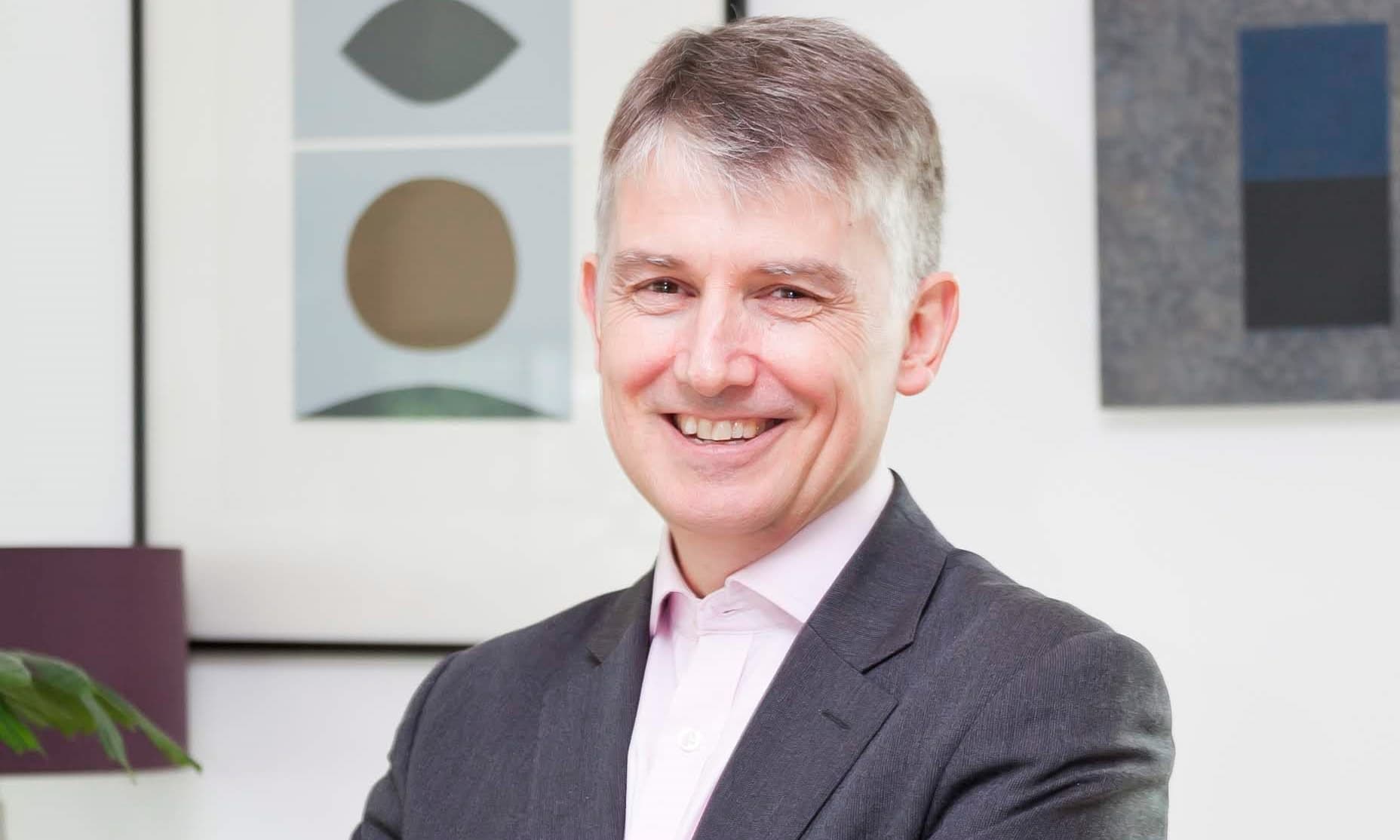
The UK holds nothing back in aiding the global struggle against the pandemic, while helping Indonesia directly at the same time. Owen Jenkins shared details with NOW! Jakarta.
Top marks for a great question, Alistair. In this extraordinary pandemic, we can all learn from each other. No country has all the answers and I suspect we will need a panel of experts and start a multi-year research project to find the truth! The UK’s NHS and the Indonesian health system have both performed daily miracles in helping those most badly affected by the disease.
One of the impressive elements which are common to the UK’s and Indonesian responses has been our instinct that any solution must be a global one. No country can be safe alone. And that goes for all the key issues, from immediate handling of the disease to finding a vaccine and getting it to everyone who needs it. Thankfully we have some of the smartest minds in the world working on this huge range of questions: from Bill Gates to researchers at University of Oxford, academics at Indonesia’s best institutions and many more.
The UK and Indonesia have regularly been consulting and comparing notes about how to deal with this epidemic, including through the WHO framework.
The UK and Indonesia have regularly been consulting and comparing notes about how to deal with this epidemic, including through the WHO framework.
At a global level, the UK is leading work to fight back against COVID-19 through the WHO, G20, World Bank and more.
First, to find a vaccine. The UK is the biggest donor to the global fund to find a Vaccine, with GBP 250 million to CEPI’s global fund. This is part of GBP 764 million of UK aid money going to fight COVID-19 and save lives worldwide.
Second, to make the vaccine affordable & accessible for everyone, because no one is safe until everyone is safe. Viruses don’t care about borders. So, on top of the money mentioned above, the UK is giving GBP 1.65 billion to the Global Vaccine Alliance (GAVI) over the next five years to help make sure that every person in the world can get the vaccines they need. We will be hosting the global GAVI summit on 4 June.
In Indonesia, we are re-orientating some of our programmes to help tackle COVID-19. We are working with local organisations to translate public health messages into local languages, print booklets, and distribute in local areas as well as online. We are collaborating with Unilever, UNICEF, Action Aid and Save the Children on a water, sanitation and hygiene project worth IDR 13.5 billion. Our partnership with the Planning Ministry will model the impact of COVID-19 on the low carbon development pathway in the Indonesian 5 Year Plan. More adapted programmes are on the way. We will work through this together.
There were some indications that the strict legal requirements around timber exports might be relaxed as part of a package of economic measures to respond to Covid-19. If this had happened, it might have undermined confidence and impact on trade. We are very pleased that the Ministry of Environment and Forestry as well as the Ministry of Trade have confirmed that the planned change will not take place, and that SVLK remains intact. The UK has confidence in SVLK and is pleased that it will continue to cover all timber exports to all destinations on the same terms, providing assurance that timber exports comply with Indonesia’s strict legal requirements on social and environmental criteria, and on forest governance.
More generally on trade, Trade Minister Agus Suparmanto and Secretary of State Liz Truss agreed on a recent phone call that the UK and Indonesia will continue to work on a joint trade review which is looking at trade flows between our two countries and how to increase them.
Covid-19 cannot be defeated alone; we need a united, global response to the global pandemic. UK companies have been the second largest European investor in Indonesia in 2020 and are committed to supporting Indonesia through this pandemic.
Medical supplies
Education materials
Professional services
Food
Income support
Handwashing & environmental hygiene programme
Most Brits who have made their long term home in Indonesia are staying. They often have family here, and know Indonesia well – so have support networks and knowledge that visitors mostly do not have.
Meanwhile, we have encouraged those Brits travelling in Indonesia to go home, and have helped around 7,500 British tourists to do so.
As in every country, Indonesia’s leaders have to look at a range of priorities and take really tough decisions with the information they have available. They have our full support in that really tricky task. I’m thankful it isn’t mine to call!
The Global Tourism industry has really taken a big hit, which is a big shame, with many people impacted negatively. It is hard to know how long travel restrictions might last, or how willing people will be to travel even when they are able to, which will have a big impact on flight availability and cost. We’ll have to wait and see but I know that, once they can, Brits will be back in Bali!
I have already outlined how we have adapted a number of our programmes to fight Covid-19. We are also already talking with our Indonesian partners about how the UK can support Indonesia’s economic recovery. This could include:
We have a great friendship with Indonesia, and will continue to face up to our shared challenges together.
All Indonesians studying in the UK have had their right to stay in the UK extended without penalty. Some have chosen to return to Indonesia to be with their families, many others have chosen to stay. Many Universities in the UK are being extremely creative about how to keep their incredibly high academic standards, while delivering their courses remotely and online.
It’s as tough and strange for embassy staff as for everyone else. I think we are all looking forward to normal times! We all miss the friendliness of the office, I think—all the thousands of informal interactions each day: eye contact, sharing lunch, being together.
Since we can’t do all of that, we’ve made our All Staff Meetings weekly instead of monthly and meet in smaller groups more regularly than tat. We share everything from work successes, to tips for coping while working from home, to our favourite series to watch on TV. We are talking a lot about mental health, well-being and resilience too. This is a challenging time for us all, and social distancing means it is even more important we get good at reaching out to each other for help. As one colleague put it, “working from home has taught me that I don’t need to be in the same room to show empathy”.
It’s not an easy time to predict or make big plans for the future. We expect we’ll be doing more of the same: encouraging and promoting a global response to COVID-19; more work with the Indonesian national and local governments about how we can support their efforts; and more support and advice for British Nationals still here. These are incredibly important tasks, and we are pleased to play our part.